

Listen to the Podcast
Available on your favorite platforms
⬇️ Prefer to listen instead? ⬇️
- 64% of marketers report higher traffic quality when using search result data for optimization.
- 49% of content marketers prefer tools that combine research and idea steps.
- NLP-powered tools align content better with what people search for and what algorithms prioritize.
- Tools with AI co-writing greatly increase how fast content is made and make it better.
- Companies invest more in Clearscope and MarketMuse because they help with planning, reporting, and working at a larger scale.
SEO content optimization is not something you can skip anymore — it's necessary. As search engine systems change and users expect more, marketers need smarter tools to stay ahead. The good news? 2025 brings a new set of content optimization tools made to mix SEO details with ease of use, automation, and planning. This guide shows you the best options available, how they compare, and which ones might be just right for your business.
Why Use SEO Content Optimization Tools?
In today's digital world, content that just sits online is not enough — people need to find it, it needs to be helpful, and it needs to fit what your audience wants and what search engines look for. SEO content optimization tools are built specifically to help make this happen, and they do it by working smarter — not harder.
These tools offer these benefits:
- Better Organic Visibility: By finding the right keywords, looking at current search results, and improving things like structured data and elements on the page, these platforms help content rank higher.
- Content Efficiency: Instead of guessing or just using instincts, teams can follow recommendations based on data. This increases the chance that content will perform well from the start.
- Focus on the User: Many top SEO tools use Natural Language Processing (NLP). This helps them figure out what topics, things, and styles Google prefers. It gives writers insights beyond just how often a keyword appears.
- Planning Help: More advanced tools go beyond just making content better. They also help with content calendars, checking what content you already have, and seeing how competitive things are.
- Work at Scale: Whether you put out five or five hundred pieces a month, optimization tools can adjust. They help keep quality consistent and SEO effective.
Simply put, these platforms bring planning and doing things together in one place — helping you increase your content work without losing visibility or engagement.
Must-Have Features in a Great Optimization Tool
Not all content optimization tools are made the same. Looking at how many features they have, how well they work with SEO, and how they fit into your work, here are key things to look for when picking the best SEO tools for 2025.
NLP-Powered Recommendations
Google's system looks at content more and more based on how natural the language is, the context, and how much expertise it seems to show. The best tools now include NLP to:
- Find words and phrases that are related in meaning.
- Suggest subheadings and sentences that match what the user means when searching.
- Spot missing topics compared to competitor pages.
This is important because making content better with NLP suggestions is more than just matching keywords—it's about the meaning and how helpful the content is.
Search Result & Competitor Analysis
Top tools watch what is already ranking for your keywords. This lets you quickly see how others succeeded. They show:
- What satisfies searchers, like featured snippets, People Also Ask boxes, and top content types.
- What keywords competitors cover and details about their backlinks.
- How competitor content is structured and the tone they use.
This information is key to creating content that is not just new, but clearly better than what is already ranking.
On-Page Scoring
What's on the page matters a lot for SEO. These tools give you feedback in real-time on:
- Where keywords are placed and how often they show up.
- How easy the content is to read (like using a Flesch score).
- How header tags are used and how long the content should be.
Tools that automatically give these scores can help content meet on-page needs right from the draft stage.
Content Format Support
Whether you are writing blog posts, main landing pages, or product pages for an online store, your optimization tool should work well with different formats. Some tools include:
- Ready-to-use templates.
- Tips specific to blog posts versus landing pages versus pillar pages.
- Checking how things look on social media and connecting with those platforms.
As content is used on more different platforms, being flexible is very important.
AI Help & Automation
Many content optimization tools now use AI—not just for writing, but also for:
- Drafting outlines, hooks, or beginnings.
- Summarizing competitor content from search results.
- Reading text to find missed chances to make it better.
When used with automation platforms, these AI features remove slowdowns in planning, writing, editing, and publishing.
Easy to Use & Teamwork
Even the best SEO tools need to be easy for your whole team to use. Working together must include:
- Links or documents that can be shared.
- Adding comments and keeping track of changes.
- Settings that control who can do what, useful for freelancers or editors.
A simple look and built-in help also make it easy to get new writers or people who aren't technical up to speed quickly.

How We Evaluated These Tools
With many similar tools coming into the market, we looked closely at four important areas made especially for SEO content optimization:
User Feedback
We looked at reviews from real people on sites like G2, Trustpilot, Reddit SEO groups, and online marketing forums. Tools that consistently got good scores for how easy they were to use, how reliable they were, and how good the support was ranked higher.
Live Testing
We tested each platform by making existing articles better and writing new content from scratch. We looked at:
- How fast the output was ready.
- How accurate the keyword suggestions were.
- How easy it was to use the editor's suggestions.
Feature Depth
Beyond just scoring content and adding keywords, we looked for:
- Things that make the work process better, like AI writing, making outlines, and showing search results snapshots.
- Planning tools for content calendars, outlines, and checking existing content.
- Connections with other programs (Google Docs, WordPress, CMS, etc.).
Cost Performance
We compared the prices for different levels of service against what the tools could do. Tools with good free plans or low starting costs got extra points, while some expensive tools proved their worth with insights and results for bigger companies.

The 11 Best SEO Content Optimization Tools in 2025
Surfer
Surfer is still a favorite because its interface is simple and it's powerful at looking at search result pages. It's great for writers who want to copy what Google is already ranking high.
- Best for: Writers aiming for content that statistically looks like the top-ranking pages.
- Key Features: Real-time NLP suggestions, tools to build outlines, content scoring, connections with CMS like WordPress, Jasper, and more.
- Why it works: Surfer takes current search result data and uses semantic mapping to create plans for optimization that match what Google is actively putting in its index.
According to Semrush's 2024 Report, 64% of marketers report higher traffic quality when making content better based on search result data — Surfer does this very well.
Clearscope
This tool for larger companies is very good at data accuracy and managing teams. It's very precise and fits well for serious SEO work.
- Best for: Teams handling many pages each month.
- Key Features: Real-time grading, readability scores, mapping how important keywords are, Google Docs add-ons, and tools for teams to work together.
- Drawback: The price. It starts high but gives very accurate results if you are ready to spend.
MarketMuse
MarketMuse is great for those who want to go beyond just making content and into planning strategy.
- Best for: Brands focusing strongly on building authority in a topic area.
- Key Features: Automated content outlines, checks of existing content, competitor analysis, and scoring that predicts how valuable content will be.
- Unique Value: It can estimate the return on investment for each topic before you even start writing and find good content ideas that have high potential.
Ahrefs Content Editor
Ahrefs digs deep into search data—and their content editor lets you use this with hands-on writing features.
- Best for: SEOs who use data tracking a lot.
- Key Features: Finding keyword gaps, showing website authority details, backlink signals, predicting performance.
- Strength: Easily connects technical SEO data with writing tips for each page.
Frase
Frase is very fast and good for teams that want speed without losing strategy.
- Best for: Teams with both in-house marketers and freelance writers.
- Key Features: Pulling data from search results, automatically building outlines, a scoring interface, and AI help for creating content.
- Standout stat: 49% of marketers prefer tools that put together research and coming up with ideas — Frase does both easily.
Lex
Lex is a writing platform with no distractions, helped by subtle but smart AI.
- Best for: People writing long blog posts, journalists, and those creating content in a specific area.
- Key Features: Smart ways to rephrase text, edits for fluency, a mode with no distractions, and hints for structuring content.
- Why it’s unique: While it doesn't have a lot of SEO data, it's great at making the flow and readability better—good for content showing thought leadership.
SEMrush Writing Assistant
This free-to-mid-price add-on adds SEO power to your SEMrush work.
- Best for: People already using SEMrush who want SEO scoring inside their writing tools.
- Key Features: Keyword targeting, analyzing tone, readability, connections with WordPress and Google Docs.
- Underrated Benefit: It flags if content is consistent across articles — great for full blogs or series with many parts.
Yoast SEO
One of the oldest tools around, trusted by WordPress users everywhere.
- Best for: New bloggers or content creators using WordPress.
- Key Features: Improving SEO titles and descriptions, adding keywords, internal linking, and help with XML sitemaps.
- Tradeoffs: It doesn't have strong tools for content planning or competitor details.
PageOptimizer Pro
This technical tool was built by the SEO community for those who like to test things, make changes, and win.
- Best for: SEOs who love using data models and testing their ideas.
- Key Features: Competitor analysis, testing how live and test pages perform, adjusting for specific keywords in a niche.
- Strength: One of the few tools that offers testing different versions of recommendations for SEO.
Dashword
Dashword removes the complicated parts but keeps the main things you need.
- Best for: Small startups or freelancers who want simple, effective optimization.
- Key Features: Limited but smart keyword tips, readability insights, a straightforward grading system.
- Why consider it: It's one of the best tools for creators watching their budget who still want quality.
GrowthBar
AI writing meets SEO guidance.
- Best for: Business owners and people working alone.
- Key Features: AI content generator, a live SEO score while you write, extensions for Chrome and CMS, a tool to track keyword rankings.
- Bonus: Includes tools for getting ideas and suggestions for backlinks all in one place.

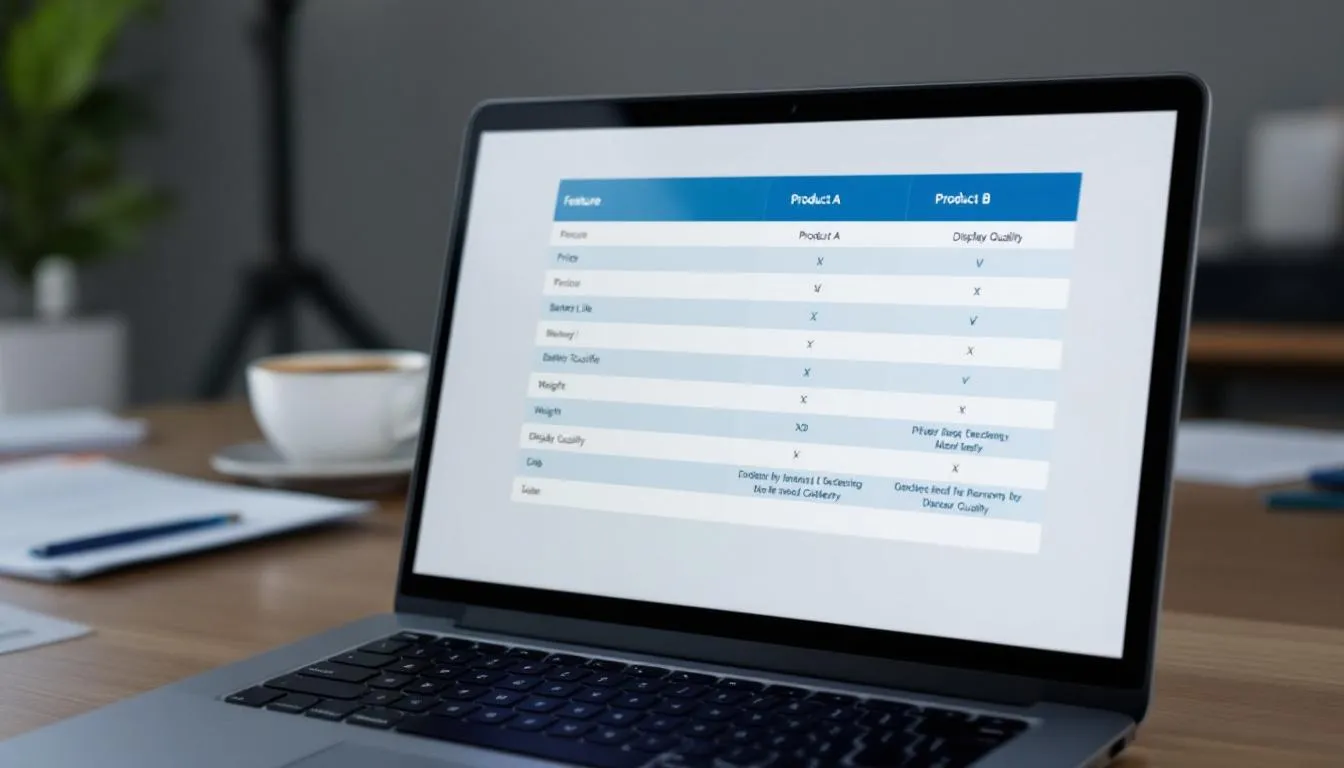
Feature Comparison Table
Tool Content Editor Keyword Suggestions CMS Integration Pricing Tier Ease of Use
Surfer ✅ ✅ ✅ Mid-High High
Clearscope ✅ ✅ ✅ High High
MarketMuse ✅ ✅ Limited High Medium
Frase ✅ ✅ ✅ Mid High
Yoast Limited ✅ ✅ Low High
AHREFS Editor ✅ ✅ ✅ High Medium
SEMrush Assistant ✅ ✅ ✅ Mid High
Dashword ✅ ✅ Limited Low High
GrowthBar ✅ ✅ ✅ Low-Mid High

Best Tools by Business Type
- Small Businesses & Startups: Use tools that cost less and are easy to learn, like Frase, GrowthBar, or Dashword, to start quickly.
- Marketing Agencies: Pick strong tools like MarketMuse, Clearscope, and PageOptimizer Pro for planning at scale, handling many clients, and reporting results.
- Real Estate Marketing & Local SEO Industries: Use Yoast for schema and important metadata, and also use Surfer or GrowthBar to make city-focused content more effectively.
Combining Optimization with Automation
To get the most effect in 2025, use content optimization tools with automation platforms. These platforms can turn outlines into many SEO-ready pieces of content. For example:
- Surfer + Jasper AI: Use Surfer’s advice with Jasper’s AI writer to create top-performing articles faster.
- Frase + Internal Publishing Tool: Pair Frase’s outlines with your own CMS for quick publishing.
- MarketMuse + Zapier: Plan your content process across different tools using automated steps.
The result? Content gets published faster, SEO works better, and you use fewer resources.
Final Thoughts
Picking the right SEO content optimization tool in 2025 depends on what you want to achieve. SEO performance is not just about checking boxes anymore — it's about making the user experience better, matching user intent, and showing authority. Tools like Surfer, MarketMuse, Frase, and Clearscope do new things in different ways, but they all show one truth: optimization is a process that continues, not a single event.
Start with trial accounts. Test features that are directly linked to your main goals — traffic, rankings, leads, or sales. Then, build a set of tools that improves how you work without making it too complicated.
Want to see how our content automation platform works with the top optimization tools? Try it free today and see how easy it can be to get SEO-ready content at scale.
Written by
Rocket Agents
Part of the Rocket Agents team, helping businesses convert more leads into meetings with AI-powered sales automation.


Ready to Convert More Leads?
See how Rocket Agents can help you respond to leads instantly and book more meetings.