

Listen to the Podcast
Available on your favorite platforms
⬇️ Prefer to listen instead? ⬇️
- 93% of online experiences start with a search engine, underlining SEO's importance in blog writing.
- Blogs with original research are 32% more likely to perform well in search rankings.
- Updating existing content can grow traffic by 106%, per Backlinko's case study.
- Posts with images get 94% more views than those without, according to MDG Advertising.
- Stories are 22x more memorable than facts alone, per Stanford's research.
In 2024, knowing how to write a blog post that ranks is more than just putting keywords together and hitting “publish.” Search engines are smarter, AI-generated content is everywhere online, and readers want clear, deep information fast. To get noticed, your blog should use modern writing methods. Combine SEO best practices with content that people want to read, includes stories, and covers topics well. Here is a guide to SEO blog writing that gets you seen, brings in traffic, and gets leads.

Hone in on a Specific, Searchable Topic
One of the biggest mistakes novice content creators make is starting with a vague idea. In an era of saturated digital content, specificity wins. The key to writing a blog post that ranks is ensuring your topic pins down a precise search query with real user intent.
Why Specific Topics Matter
Search engines reward relevance. General topics like “marketing” are too broad and competitive. More importantly, they lack clear intent. A user searching “how to create a content calendar using AI” is far more likely to engage and convert than someone typing “content marketing.”
Tactics to Find the Right Topic
- Use keyword research tools like Google Keyword Planner, Ubersuggest, or Ahrefs to locate long-tail keywords with manageable competition.
- Browse platforms like Reddit, Quora, or AnswerThePublic to uncover actual questions your audience is asking.
- Use Google Autocomplete to refine high-performing keyword combinations.
For example, instead of just targeting “blog writing,” aim for “blog writing tips for small business SEO” or “how to write a blog post that ranks on Google in 2024.”

Research Thoroughly with Your Audience in Mind
Forget thin content. In 2024, depth is non-negotiable. Blog writing that performs well must demonstrate expertise, authority, and trustworthiness—Google’s E-E-A-T standards.
How to Perform Audience-First Research
- Start with demographic and psychographic profiles of your reader personas: What are their pain points, professional goals, challenges?
- Look at industry reports, whitepapers, and trusted sources like HubSpot, Pew Research, or Nielsen for stats and publications.
- Add qualitative perspective through quotes, client stories, or your own experience.
Always ask: “What insight can I bring to this topic that my audience won’t find elsewhere?”
Analyze Competitor Pages to Uncover Content Gaps
If you're targeting a competitive keyword, checking what already ranks in the top 10 results is crucial. This is a core step in building better content than what’s already out there.
Steps for a Mini SERP Audit
- Type your keyword into Google and study the Top 10 organic results. Evaluate the tone, structure, and media used.
- Use SEO tools like SEMrush or Keywords Everywhere to inspect content scores, domain authority, and backlink profiles.
- Identify what’s missing: Are the blog posts outdated? Do they lack visuals? Could you explain complex sections better?
When you clearly see what competitors do and don’t include, you can craft blog posts that are more useful, current, and compelling.
Draft a Clear, Hierarchical Outline
A well-outlined blog draft ensures smoother writing and better interaction signals—like time on page and reduced bounce rate, which search engines monitor.
Build an SEO-Friendly Structure
- Follow a hierarchy: H1 (title) > H2s (main sections) > H3s (subpoints).
- Organize your outline around your focus keyword and closely-related or semantic variations.
- Include SEO-relevant FAQ sections to capture voice search and snippet potential.
Don’t skip this step—tools like Notion AI or Jasper can generate hierarchical outlines tailored to your keyword.

Craft with Storytelling for Lasting Impact
Storytelling increases emotional connection, retention, and user engagement—essential signals in both reader experience and SEO blog writing.
The Power of Story
According to Stanford, people recall narratives 22 times better than just facts. Embedding a story in your blog differentiates you from robotic content.
Effective Storytelling Techniques
- Begin with a mini case study or relatable moment that frames your core topic.
- Use “data + narrative” to ground insights in real-world stakes.
- Refer to customer experiences, quotes, and challenges to humanize abstract points.
Try using familiar story shapes—like the “hero's path” or “conflict-resolution”—to give your post emotional shape.
Reiterate Key Points Without Being Redundant
Repetition helps retention, but redundancy leads to disengagement. Knowing how to repeat ideas the right way is a hidden craft of excellent blog writing.
Techniques to Maintain Engagement:
- Reframe the same point using new examples or case studies.
- Use synonyms or related keyword variations to hit SEO goals while keeping phrasing fresh.
- Summarize previously-discussed ideas at the end of sections—adding forward momentum toward the next idea.
This approach improves scannability and helps reinforce key takeaways without losing reader interest.
Start with Impact – Hook with a Bold Statement or Stat
The average time someone spends reading a blog post is under 37 seconds. Your introduction must command attention.
Types of Powerful Openers
- Shocking stats: “90.63% of content gets no organic traffic from Google”.
- Real-world questions: “Why do most blogs fail to generate traffic?”
- Counterintuitive insights: “Longer blogs aren’t always better—unless they do this first…”
Creating urgency and curiosity in the first 100 words boosts dwell time and encourages search engines to rank your content higher.

Match Blog Format to the Current SERP Dominance
Your blog format can significantly impact visibility if it aligns with current content expectations for a search query.
SERP Format Matching
- For keywords like “best tools,” opt for a listicle structure.
- For “how to” queries, structure posts with clear steps, images/videos, and FAQs.
- Use plugins or HTML for Schema Markup to boost your chances of rich snippets, especially with HowTo, FAQ, and List schemas.
Matching structure to search intent improves ranking potential and enhances featured snippet eligibility.
Keep Content Moving with Scannable, Snappy Structure
Modern blog writing demands attention to design and readability. A wall of text will send readers back to the SERP.
Reader-Friendly Formatting Tactics
- Limit paragraphs to 2–4 lines max.
- Use bold formatting, bullet lists, icons, and callouts for emphasis.
- Incorporate white space, pull quotes, and design blocks.
- Include visuals every 350-500 words—images, charts, or diagrams to guide flow.
Keep in mind: blog pages with visuals are far more engaging and 94% more viewed, per MDG Advertising.
Back Up Every Insight With Trustworthy Sources
External citations help your blog meet Google’s E-E-A-T standards and build reader trust.
Best Practices for Citing Sources
- Include hyperlinks to authoritative domains like .edu, .org, or major publications.
- When using stats, always provide a live source link.
- Quote experts or reference case studies to establish topical authority.
This form of external linking not only helps SEO but also validates your content for discerning readers.

Write Like You Speak – Stay Conversational and Relatable
Today’s blog readers prefer clarity over complexity. Your tone should feel like helpful advice from a knowledgeable peer.
Conversational Tone Techniques:
- Use second-person language (“you,” “your”).
- Break long sentences into digestible beats.
- Avoid jargon unless absolutely necessary—and explain it when used.
- Apply readability algorithms like the Flesch-Kincaid Readability Score to keep the tone accessible (aim for 60–70).
Writing like a human is increasingly important for SEO, especially with the ongoing rise of AI-generated content.
Utilize Proven Copywriting Frameworks (AIDA, PAS, BAB)
Great blog posts aren’t just informative—they’re persuasive. Copywriting frameworks give structure to emotional and logical appeal.
Copywriting Frameworks in Blogging
- AIDA (Attention > Interest > Desire > Action): Perfect for review or conversion content.
- PAS (Problem > Agitation > Solution): Works great for problem-solving or how-to blogs.
- BAB (Before > After > Bridge): Excellent for storytelling and comparison content.
Test different frameworks and combine elements depending on your blog’s purpose.
Craft an Attention-Grabbing Headline
Your blog headline is the difference between clicks and crickets. It communicates value in seconds.
How to Nail Your Headline
- Use power words like “proven,” “fast,” “mistake,” or “expert.”
- Include numbers and specifics: “12 Copywriting Hacks You’ll Actually Use”
- Keep it under 60 characters to avoid SERP truncation.
Tools like CoSchedule Headline Analyzer or Sharethrough Headline Studio help you optimize titles before publishing.

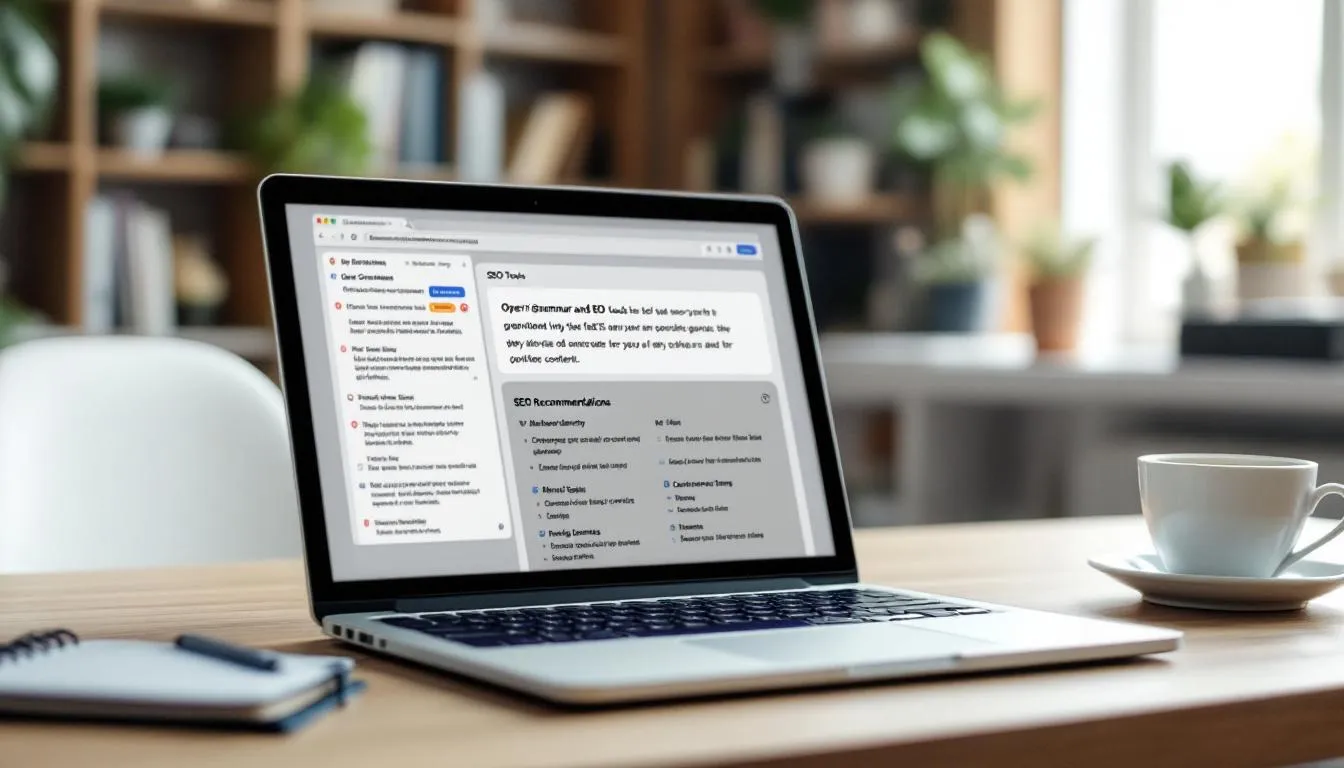
Leverage Writing Tools and Apps to Improve Draft Quality
Even pros use software to enhance their writing. Digital tools can suggest edits, highlight gaps, and improve your SEO readiness.
Recommended Tools for Blog Writing
- Grammarly: Grammar, punctuation, and tone correction.
- Hemingway Editor: Simplicity and clarity adjustment.
- Surfer SEO / Clearscope: Real-time SEO suggestions including keyword density and content score.
- Quillbot: Sentence rewrites and paraphrasing.
- Jasper / Copy.ai: AI-powered content ideation and draft outlining.
Using these tools doesn’t reduce authenticity—it enhances consistency and quality.
Optimize Every Section for SEO (Not Just Keywords!)
SEO blog writing in 2024 is about holistic optimization, not just keyword density.
SEO Optimization Checklist
- Integrate long-tail keyword variants naturally.
- Include internal links to relevant articles and external links to authoritative sites.
- Add keyword-rich alt-text to all images.
- Write compelling meta descriptions (150–160 characters) to drive CTR.
- Revisit and refresh older content regularly—a method proven to double page views over time.
Even formatting elements, when SEO-conscious, help push content higher in rankings.
Use CTAs to Move Readers to Your Next Asset
A killer blog post shouldn’t be a dead-end. CTAs convert engagement into measurable ROI.
Effective CTA Types
- In-line text links to relevant posts.
- End-of-post banners prompting newsletter sign-ups.
- Mid-post lead magnets tied to topic: worksheets, checklists, etc.
- “Related articles” widget beneath blog content.
Prompt next steps without being pushy—value is the bridge to conversion.
Repurpose & Showcase on Multiple Platforms Effortlessly
Distribute your blog content broadly by transforming it for alternate channels.
Smart Repurposing Ideas:
- Turn bullet lists into Instagram carousels or Pinterest pins.
- Use blog scripts for podcasts or YouTube explainer videos.
- Extract key stats or quotable tips to create LinkedIn graphics.
- Automate repurposing via tools like Missinglettr, Lately.ai, or Canva Bulk Create.
Repurposing maximizes ROI from each piece of content—scale smarter, not harder.
Key Takeaways: The 2024 Content Checklist
Use this checklist to quality-check your blog post before publishing:
- Focused, research-led long-tail keyword targeting
- Clear H2-based structure and mobile-optimized formatting
- Stories, frameworks, expert quotes, and external data
- Conversation-style tone, active CTA buttons, and SEO polish
- Repurposing plan in place for distribution
Continue improving your strategy and tools—and keep in mind, great blog writing mixes usefulness with creativity. The more you refine your process, the more your blog earns you visibility, authority, and ROI.
Written by
Rocket Agents
Part of the Rocket Agents team, helping businesses convert more leads into meetings with AI-powered sales automation.


Ready to Convert More Leads?
See how Rocket Agents can help you respond to leads instantly and book more meetings.