

Listen to the Podcast
Available on your favorite platforms
⬇️ Prefer to listen instead? ⬇️
- Google says putting too many keywords on a page goes against its spam rules. It might even use manual or automated penalties.
- Studies show content with too many keywords makes people leave faster. That hurts how well your SEO works.
- Google's algorithms now care more about what people are looking for and if the text is easy to read, not just exact keyword matches.
- SEO experts suggest keeping keyword density between 1–2%. This helps text feel natural and follow the rules.
- Automation tools help make SEO-friendly content on a large scale without risking penalties for using too many keywords.
SEO has changed a lot since the time when packing your page with keywords could send you to the top of search results. Today, doing that same thing — keyword stuffing — can really hurt you. It damages how easy your site is to find, how users feel about it, and your trustworthiness. What's worse, it directly breaks Google’s spam rules, and you could face expensive penalties. This guide explains what keyword stuffing is, why it doesn't work anymore, how Google punishes it, and how businesses can get good at modern SEO without falling into this old trap.
What Is Keyword Stuffing?
Keyword stuffing means using your main keywords or phrases too much on a page. You do this in a way that doesn't seem natural or normal, just trying to trick search engines into ranking you higher. This used to be a common SEO trick in the early 2000s. But search engines are much smarter now. They actually punish this kind of content.
Google clearly says keyword stuffing is a spammy practice. It goes against its spam policies. Its algorithms are built to find sites doing this and push them down in results or even penalize them.
Common Forms of Keyword Stuffing
Knowing the different ways people stuff keywords can help you spot them:
-
Visible Stuffing This is when you repeat the same keyword or phrase in headings, image text (alt text), descriptions that show up in search results (meta descriptions), and body paragraphs. For example: “Buy red running shoes. Our red running shoes are the best red running shoes for red running.”
-
Hidden Stuffing This means hiding keywords so readers can't easily see them. People do this by using white text on a white background, using code (CSS) to move text off the screen, or putting keywords in code comments (HTML comments). These tricks are misleading, and Google heavily punishes them.
-
Local Stuffing This is common for businesses that serve local areas, like real estate agents or service companies. Brands will list many cities or neighborhoods in unnatural lists. They hope this helps them rank in local search. Example: “We serve Austin, Round Rock, Pflugerville, Cedar Park, Bee Cave, Leander, Georgetown…”
-
Grammar/Question Stuffing This kind involves using bad grammar to copy exactly what a user might type into search, like “buy red shoes cheap now fast.” People do this to rank for awkward search questions.
Keyword Stuffing vs. Keyword Optimization
The main difference is why you do it and how you do it.
- Keyword optimization is done carefully, focusing on what the user wants.
- Keyword stuffing makes text hard to read just to try and trick search engines.
Good content uses keywords in ways that make the meaning clearer and the writing flow better. It doesn't just put them in to match what an algorithm looks for.

Why Keyword Stuffing Hurts Your SEO (and Business)
Modern SEO is more than just putting in keywords. It's about making helpful, reliable content that matches what someone is searching for. Keyword stuffing goes against this completely.
Google Penalties
Google uses people reviewing pages and automated systems to penalize content that has too many keywords, especially when it's clearly stuffed. If they catch you, your site's pages might be:
- Put lower in search results (Demoted)
- Taken out of search results completely (Deindexed)
- Flagged in Google Search Console so Google staff can look at them (Manual action)
Google has said it clearly: it cares about content being helpful and relevant, not old tricks to game the system.
User Experience and Engagement Metrics
SEO isn't just about computers. It's about how real people use your site. Keyword stuffing makes it hard for readers, which then hurts how your site does in search.
- Bounce Rate: Content filled with keywords is hard to read. This makes users leave your site quickly.
- Session Duration: When users don't stay long, this lowers metrics for how much time people spend on your site.
- Conversion Rates: Users are less likely to trust — or buy from — pages that sound like they were written by a robot because of too many keywords.
All these things show Google how users feel about your site. Bad user experience often means lower rankings.
Brand Credibility Damage
People today can tell when you're using cheap marketing tricks. A page full of keywords that sounds awkward sends a signal that your brand cares more about search engines than people. This makes people trust you less and hurts loyalty and your good name over time.
Funnel Performance
From getting people to notice you to getting them to buy something, keyword stuffing messes things up. It pushes readers away, makes them leave sooner, and ends up costing you money.

How to Identify Keyword Stuffing on Your Site
You don't need to be an SEO expert to see keyword stuffing. Here's how you can check your own content:
1. Manually Check Keyword Density
Keyword density means: (How many times a keyword appears ÷ Total number of words) x 100. If a keyword shows up 25 times in a 1,000-word article, the density is 2.5%. Most good SEOs agree that it's best to stay around 1–2% now. It should be even lower in competitive areas.
2. SEO Plugins
Plugins like Yoast SEO and Rank Math look at how you use keywords and how easy your text is to read. They help:
- Find where you've put too many keywords.
- Suggest good places to put main phrases.
- Flag sentences that are hard to understand.
These tools are key when you're writing content in WordPress or other website platforms.
3. On-Page SEO Audits
More advanced SEO platforms, like SEMrush On-Page SEO Checker, compare your content to pages that rank high for the same topics. They find:
- Words used too much or used wrongly.
- How likely it is that you're keyword stuffing.
- Parts where your content doesn't cover enough information.
4. Read Your Content Aloud
Does it sound like a robot is reading it? That's a clear sign of stuffing. Your text should always be easy and natural to read first.
5. Things to Watch For
Look for these warning signs:
- Repeating keywords in many or all subheadings.
- Meta tags and descriptions packed with keywords.
- Keyword phrases right after each other with no connecting words.
- Random lists of places or similar words.
Google Penalties Explained: What Happens If You're Caught
If you're caught keyword stuffing, what Google does depends on how bad it is and how they found it.
1. Manual Action Penalties
Google employees review pages and give penalties when they confirm that spammy things are happening. These penalties can cause:
- Your rankings to drop suddenly.
- Penalties that affect your whole website (domain-level).
- Your page to be removed from search results.
You'll see a warning in Google Search Console under “Manual Actions.” It will also tell you what needs to be fixed.
2. Algorithmic Demotion
These penalties are silent and dangerous. You don't get notified. Your rankings just disappear without warning. The reason? Google's automated systems, like Panda or helpful content updates, found:
- Patterns of low-quality content.
- Keywords put in places that don't seem natural.
- Behavior that matches other known spam examples.
Time And Resource Cost
Fixing keyword stuffing doesn't make your rankings come back right away. Getting back often means:
- Writing parts again.
- Publishing the changes.
- Getting Google to look at your pages again (reindexing).
- Building trust again.
It can take weeks or months to get back the visibility you lost.

How to Recover from Keyword Stuffing Penalties
Everyone makes mistakes. Getting better from a penalty doesn't have to be impossible. But it does take work and sticking to it.
- Check your site to find all the pages that are affected. Use Google Search Console, SEMrush, or Ahrefs.
- Rewrite your content. Focus on making it clear, well-organized, and helpful.
- Remove tricky methods like hidden keywords or lists of service areas copied over and over.
- Organize descriptions for search results so they focus on what people want to know, not just lists of keywords. Write good descriptions that summarize the content.
- Ask Google to look again in Google Search Console if you got a manual penalty. Being clear and showing you understand helps.
- Set up a long-term SEO plan that focuses on making high-quality content. Use Google's Search Essentials to guide you.
You can get back after a penalty. Many sites do even better when they start doing SEO the right way afterward.
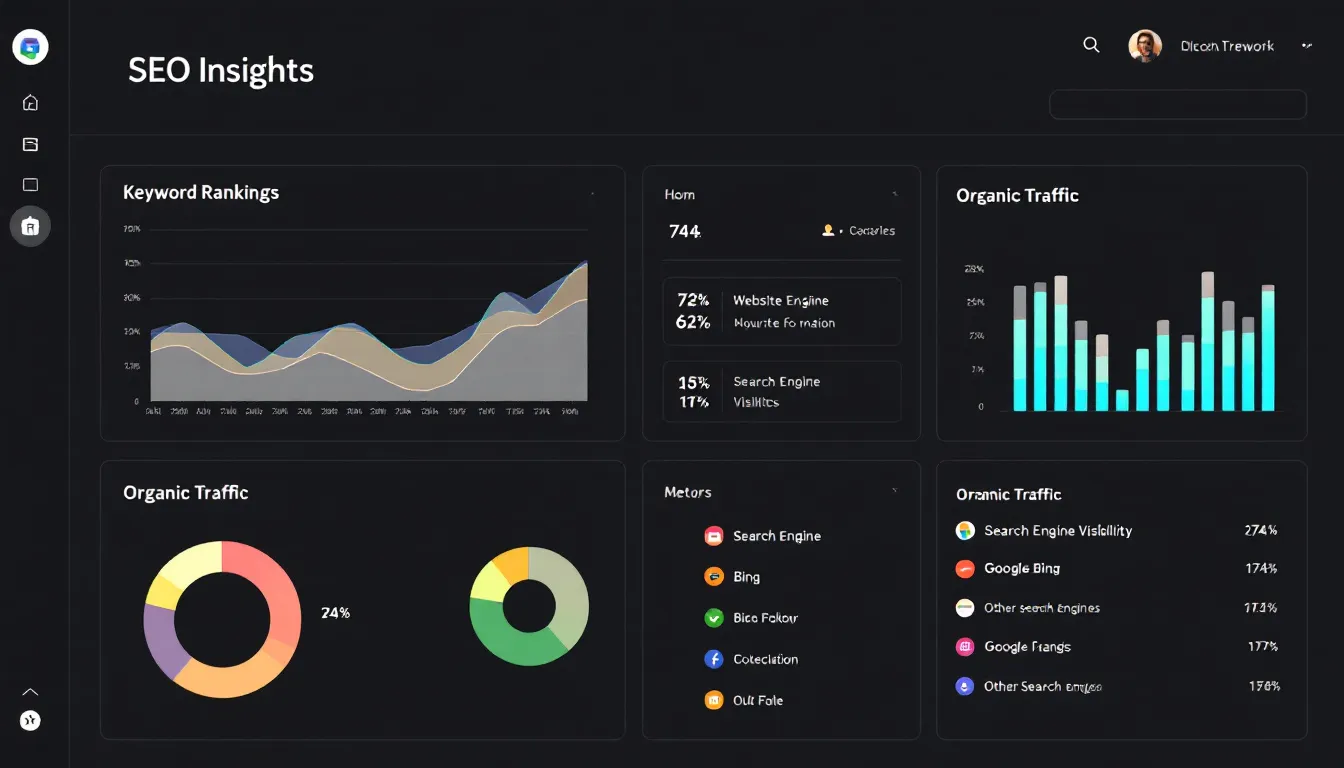
Keyword Optimization Best Practices (vs. Stuffing)
Using keywords correctly helps people find your site and keeps you following Google's rules.
✅ Where to Use Keywords Wisely:
- The main title of the page (title tag).
- The description shown in search results (meta description).
- The web address (URL structure).
- The main heading (H1) and the first paragraph.
- In places where it feels natural within the body text.
- In subheadings (H2, H3) when it makes sense.
✅ Other Good Practices
- Use similar words and terms that are related in meaning (LSI - Latent Semantic Indexing). This adds variety.
- Make the content match what someone is searching for. For example, use bullet points for how-to guides, and comparison formats for people looking to buy things.
- Use special code (schema or structured data) where it fits, like for reviews, local business details, or product pages.
- Look at what your competitors are doing. Find what's missing in your content instead of just repeating things.
❌ Avoid:
- Using the keyword more than once in every paragraph.
- Adding location names that don't belong there just to list them.
- Writing sentences that are hard to read just to match exact search phrases.
- Packing keywords into every part where you answer questions (FAQ) or tell people what to do (CTA).
Helpful content is content that has keywords in it naturally.
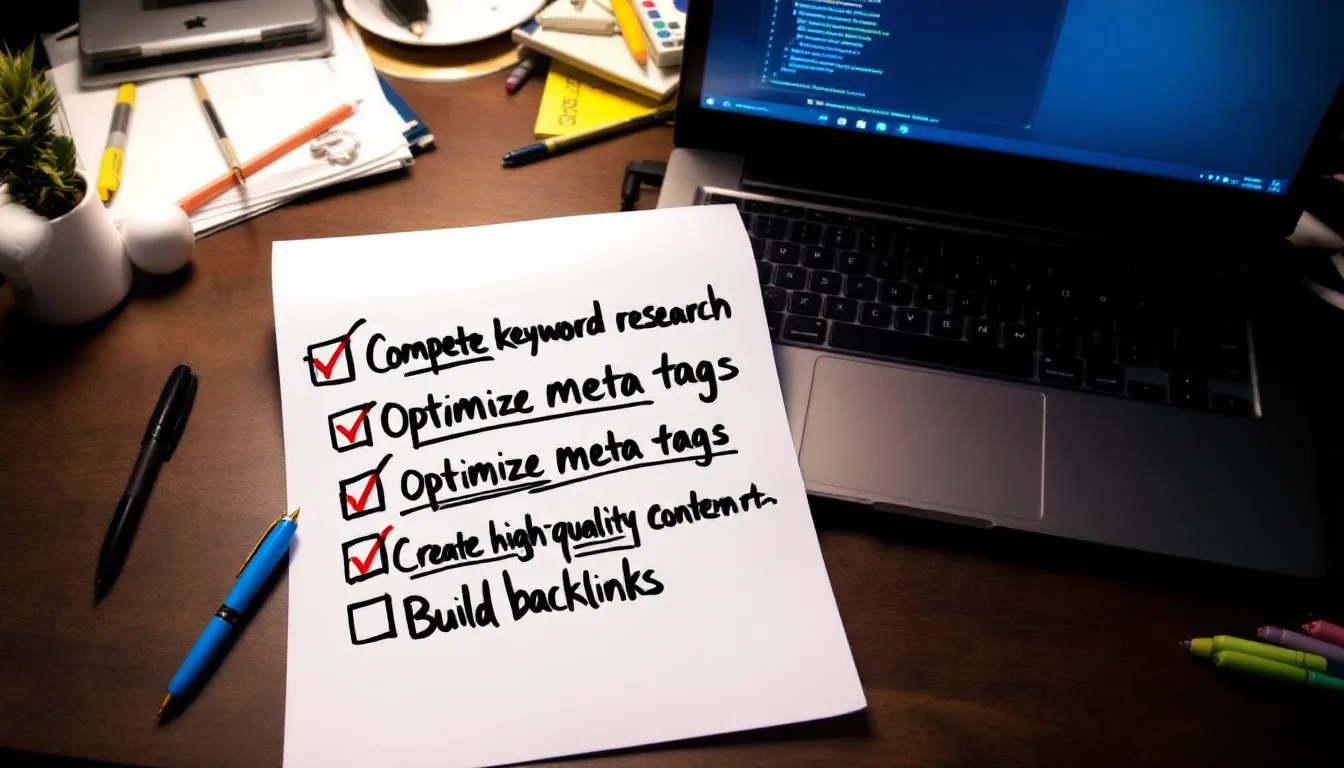
Smart Tools to Help You Optimize Without Stuffing
Luckily, making content has gotten a lot easier with technology. Today's tools help you make SEO better easily, and in a good way.
AI Writing Assistants
Tools like Jasper, Writesonic, or Copy.AI look at the keywords you give them. They automatically put those phrases into sentences that sound grammatically correct and like a person wrote them.
SEO Optimization Platforms
Platforms such as Clearscope, Surfer SEO, and MarketMuse help:
- Match what someone is looking for when they search.
- Check how often you use keywords in different parts.
- Compare your writing to top-ranking content.
These tools often suggest how often to use keywords, how long your content should be, and help you add features that show up in search results.
Website Integrations (CMS)
Plugins like Yoast and Rank Math don't just help balance keywords. They also check how easy the text is to read, look at special code (schema data), and basic technical SEO things (like canonical tags or links between your own pages).

What To Do and Not Do for Keywords
✅ DO
- Make sure your keywords fit with text that's easy for people to read.
- Include different forms of the keyword and related terms (LSI).
- Make each page good for one specific search goal.
- Use clear subheadings and short summaries.
❌ DON’T
- Repeat the same keywords many, many times on one page.
- Use tricks like hidden text or white text on white backgrounds.
- Create pages just to list every single keyword variation you can think of.
- Copy content and just change the keywords a little bit.
Google understands language isn't just about exact words. You don't need to repeat yourself to do well.
Getting Your Content Ready for the Future: What Works in 2025 and Beyond
Search engines look at more than just keywords now.
Here's what helps you rank and be seen today:
- What someone is searching for is the most important thing. Know what the reader wants.
- Experience, Expertise, Authority, Trust (E-E-A-T) matters more now.
- Content written by users or experts who know the topic well does better than general copy.
- Good page layout and formatting (like bullet points, pictures, answer boxes) make it easier to use and more relevant.
The main thing is: Write content that's useful and made for real people. The search system will recognize that.

Keyword Stuffing in Real Estate Content: An Industry Example
Real estate often has issues with stuffing. This is because companies compete hard to rank for local areas.
Instead of awkward phrases like “condos in Dallas, Fort Worth, Arlington, Plano,” try:
- Pages for specific communities: Make content focused on SEO for each city or neighborhood.
- Guides about local living: Describe travel times, school areas, and events.
- FAQs tagged for location: "How much do homes cost in Uptown Dallas?"
Users get helpful information, and search engines reward content that goes deeper.
Using Content Automation for SEO (Without Stuffing)
You don't have to choose between making a lot of content and making good content.
Modern automation for content allows brands to:
- Make SEO-friendly drafts very quickly.
- Make sure keywords are used in a balanced way, not too much.
- Keep the same writing style across everyone on the team.
- Make sure content lines up with what customers need at different steps of buying.
If you're a new business growing quickly or an agency working for many clients, tools that use rules to automate but still write like a human help you keep your SEO strong for the future.
Keyword Strategy, Done Right
Keyword stuffing is old news. It's bad for SEO, hurts your brand's trustworthiness, and makes the whole experience worse for customers.
Instead, focus on SEO that puts helpful, natural-sounding content first. This content should be written for humans and supported by smart automation tools. Use your keywords based on what users want, use them moderately in descriptions and how you structure the page, and make sure it's easy to read.
Brands that stop keyword stuffing and start using modern good practices don't just avoid Google penalties. They also get better visibility, more traffic, and customers who stay with them for a long time.
Written by
Rocket Agents
Part of the Rocket Agents team, helping businesses convert more leads into meetings with AI-powered sales automation.


Ready to Convert More Leads?
See how Rocket Agents can help you respond to leads instantly and book more meetings.