

Listen to the Podcast
Available on your favorite platforms
⬇️ Prefer to listen instead? ⬇️
- Keywords that show high buying intent often mean people are more ready to buy, leading to more sales.
- High CPC (cost per click) shows a keyword has buying intent and can bring back good results.
- Google Ads figures show campaigns using commercial keywords can get 2.5 times more sales than those using general search terms.
- Things you see on the search results page, like product lists and paid ads, point to good commercial keyword chances.
- Building groups of keywords around phrases where people are ready to buy helps you become a go-to source on that topic and improves how well your sales steps work.
If you spend time and money on SEO or paid ads but don't see more sales, the issue might not be how many people see your stuff—it's what they are looking for. Commercial intent keywords show a user is almost ready to buy. Knowing how to use them can greatly improve your return on investment. This guide will explain what these keywords are, why they matter, and exactly how to find and rank for them with both SEO and paid ads.

1. What Keyword Intent Is and What Makes a Keyword Commercial
Keyword intent is more than just the words someone types. It's about figuring out what the user is thinking. There are four main types of keyword intent. Each one lines up with a different step a buyer takes:
- Informational Intent: The user wants answers or to learn something. Searches might be “what is a CRM” or “how to do email marketing.” They are just learning, not ready to buy yet.
- Navigational Intent: These searches are for finding a specific website or company (like “HubSpot login” or “Apple Store”). Users already know what they are looking for.
- Transactional Intent: The user is about to do something, like sign up or buy. They search for things like “buy CRM software” or “get lead generation tool.”
- Commercial Intent (also called Commercial Investigation): This is between just learning and being ready to buy. Here, users check out different options. Searches like “best email marketing tools” or “Klaviyo vs Mailchimp” show users looking into solutions because they plan to buy soon.
In online marketing, finding and targeting commercial intent keywords helps you find actual customers, not just people looking around.
2. Why Commercial Intent Keywords Help You Get More Back
Commercial keywords bring in the most interested people online. These are people already showing they plan to buy soon. That makes them really useful.
Here is why using commercial keyword intent leads to real results:
- High Sales Rates: Users searching with phrases like “best CRM for small business” are often very close to buying. You reach them right when they are deciding.
- Saves Money: Instead of casting a wide net with keywords people search when they are just starting to look, focusing on commercial keywords (mid to bottom of the funnel) costs less and gets better results.
- Better Customers: People who come to you through commercial keywords are better leads. This makes it easier to guide them and make a sale.
- Advantage Over Others: Many businesses still chase informational keywords that get lots of searches. They miss keywords that are longer or compare products, which show commercial intent. This gives smart marketers a leg up.
Keywords that show commercial intent often show up in expensive ad spots because they can turn into sales, which makes the higher cost worth it. This means advertisers see their value and are willing to pay, proving they can lead to good results.
3. Common Kinds of Commercial Intent Keywords
Knowing how commercial intent keywords look helps you spot them fast. These searches show someone is in the decision stage. They often follow a pattern:
🔀 Comparison Keywords
- “HubSpot vs Zoho CRM”
- “Trello vs Asana project management”
These keywords mean the user is comparing things and wants to know more before picking one. They often lead to comparison pages, which are great for SEO when someone is ready to buy.
🥇 “Best-of” and Ranked Lists
- “Best social media scheduler 2024”
- “Top 10 affiliate marketing tools”
These phrases mean the user wants advice from others before buying. “Best” keywords are trusted because users feel like curated lists make deciding easier.
🎯 Words Showing Intent to Do Something
- “Buy CRM software online”
- “Pricing for Salesforce Essentials”
- “Affordable ecommerce platforms”
These searches usually mean someone wants to buy right away ("buy now") or is thinking about the cost.
📜 Keywords Based on Reviews and Ratings
- “Klaviyo reviews from small businesses”
- “Rated #1 email automation tool”
Users trust what other users say. These keywords work well for sites that show reviews and testimonials from users.
🛠️ Keywords for Specific Solutions
- “Real estate CRM for solo agents”
- “Inventory management software for Shopify”
These keywords are very specific and show clear uses. They are often longer, get fewer searches, but have higher chances of leading to sales.
4. How to See Commercial Intent Right Away
Figuring out commercial keywords isn't just guessing. Here are proven ways to check keyword intent quickly:
🧩 Look at Modifier Words
Commercial searches often have certain words in them. Watch for:
- “Best”
- “Top”
- “Compare”
- “Alternative”
- “Review”
- “[Product] price”
- “Discount” or “deal”
These words show the user is ready to act.
🔍 Check Search Results Pages for Signs
Type the keyword into Google and look at the page you see:
- Lots of ads: More paid ad spots on the page mean there is more commercial interest.
- Shopping lists: Pictures of products and prices mean the user is looking to buy something.
- Rich snippets: Star ratings or Q&A boxes often mean the user is looking for reviews or comparisons.
💸 Use CPC Data
Tools like Ahrefs and SEMrush show CPC data next to search volume. If the CPC is high, it means businesses are willing to pay more for those searchers. This is a clear sign of possible sales.
“Best” and “vs” comparison words consistently do better than others for clicks and sales. This links directly to their commercial nature.

5. How to Find Commercial Intent Keywords
To find keywords that really make a difference, use different steps and tools:
🔧 Use Keyword Research Tools
- Google Keyword Planner: You can filter by how much people are bidding and look for words like “buy,” “top,” or “discount.”
- Ahrefs & SEMrush: Use Keyword Explorer. Set filters for high CPC and include words that show commercial intent.
- Ubersuggest: This tool helps figure out intent and find longer keywords.
🔁 See What Your Competitors Are Doing
Find out what keywords your competitors are ranking for or advertising on:
- Use tools like SpyFu and SEMrush to see the exact keywords other businesses are paying for.
- Look at their ad text, how their landing pages are set up, and the words they use.
🌐 Search Google to See Intent Signs
Typing the keyword into Google gives direct clues:
- Google shows specific results like shopping ads, product listings, local results, and so on.
- Look at the top three regular results. Are they sales pages, reviews, or lists?
📊 Look at Your Own Search Terms
In your Google Ads account, check the Search Terms Report. See which actual searches led to sales, not just people seeing your ad. Looking back this way shows what your real customers were thinking.

6. How to Check and Decide Which Keywords to Go After
A long list of keywords is only useful if you decide which ones are most important:
🔍 Don't Just Look at How Many Searches
A keyword searched 8,000 times a month is not useful if it doesn't show much buying intent. Instead, look at the words used and how they show a buyer is ready.
💰 Use CPC as a Hint About Sales
If advertisers are paying $15 or more per click for a phrase like “enterprise CRM deals,” it likely means that search leads to money.
🧭 Match Keywords to When People Buy
Place each keyword in the usual steps a buyer takes:
- Top of the Funnel (TOFU): Content for learning.
- Middle of the Funnel (MOFU): Content for commercial intent.
- Bottom of the Funnel (BOFU): Pages that sell the product.
Use tools like Funnelytics or HubSpot to sort this map by intent.
🧱 See How Hard it Is to Rank
Are big companies on the first page? Think about whether you can get into that space with content that is different and layered.

7. Using Commercial Keywords for Your Organic Search Strategy
Only using paid ads means you miss the chance for long-term traffic that commercial keywords can bring. Make your organic strategy better with these steps:
- Build landing pages that are made for terms like “affordable CRM for real estate agents.”
- Make “best-of” lists to show you know a lot about the topic and include reviews and comparison information.
- Write long articles comparing products with clear sections.
- Make your meta titles and descriptions better by using the same words searchers use when they are ready to buy.
- Link from blog posts and guides to your pages where people can buy things. Use commercial keywords in the links.
Moz (2022) found that making content match what the user wants improved click-through rates by up to 30%, especially when the keywords used in searches were natural buying words.

8. Adding Commercial Keywords to Paid Ad Strategies
To get the most money back from your ads, set up your campaigns based on intent:
🧾 Sort Campaigns by Intent
Create separate ad groups for:
- Learning (like “How to use email marketing”)
- Commercial (like “Best email platforms 2024”)
- Buying (like “Buy email software today”)
This helps you write better ads, make better landing pages, and set better budgets for each step in the buyer's process.
⚔️ Target Comparison and Brand Words
Bid on:
- “[Your brand] vs [Competitor brand]”
- “Salesforce comparison for small business”
People searching these terms are almost done deciding. Just give them a little push.
💬 Use Intent Words in Your Ads
Write headlines and descriptions with words that show intent:
- “Top-rated CRM for Freelancers – Compare Plans Now”
- “#1 Real Estate Lead Generator – Start Free Trial”
❌ Use Negative Keywords
Stop wasting money on clicks from words like “free,” “DIY,” or “open-source” if your product costs money or needs a subscription.
Campaigns set up specifically for keyword intent—especially commercial terms—can get up to 2.5 times more sales.
9. Making SEO Content Using Commercial Intent Automatically
When you want to create lots of SEO content for commercial keywords, using automation helps you make content quickly and keep it good.
🤖 Use Tools That Use AI
Tools like Jasper, Copy.ai, and Scalenut can help write:
- Pages that compare things
- Articles that list the “best-of” things
- Breakdowns of tool features or services
🧠 Optimization Using Natural Language Processing
Use smart editing tools that check how well your content matches what people are looking for.
🛠️ Use Templates to Keep Your Brand Look
Using set ways to write “Top 10” posts or “[Product] vs [Product]” pages lets you make lots of content faster while making sure it sounds like your brand.
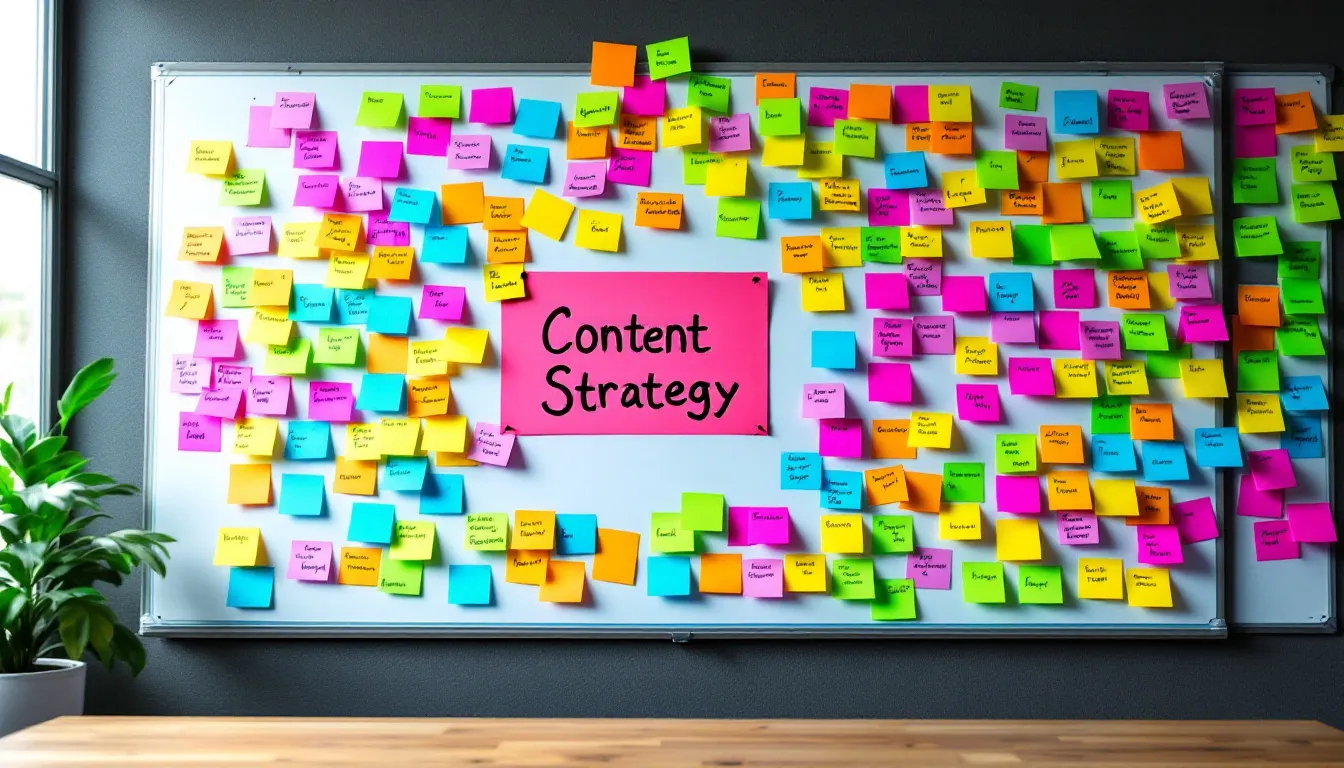
10. Making Groups of Content Around Commercial Keywords
Making groups of content shows you are an expert on a topic and helps link pages based on intent:
📁 Make a Main Page
- For example, a “CRM for Real Estate” landing page set up for your main commercial keyword.
🧷 Add Articles to Support It
Include articles based on intent like:
- “Why Real Estate Agents Need a CRM”
- “Top 5 CRMs for Solo Agents in 2024”
- “Comparing Salesforce to Zoho for Agents”
🔀 Plan How Pages Link to Each Other
Guide users from articles for learning (TOFU) to pages where they can buy (BOFU). Use links within the text that make sense and help move users toward deciding.
11. Checking and Seeing What Works
You can't make things better if you don't check how they are doing. Use performance data to make things better and do more of what works.
- Where Keywords Rank: See where you show up in search results using tools like Ahrefs or SEMrush.
- What People Do on Your Site: How long people stay on a page or how far down they scroll shows if your content is what they expected.
- Sales Rates: Check how many people buy using tracking in Google Analytics, HubSpot, or similar tools.
- PPC Results: See how much money each commercial keyword group brings in on different devices. Use special tracking links and test different versions of your conversion pages to make them better.
12. Things to Be Careful About
Watch out for these mistakes that cost money:
- Choosing Keywords Based Only on Search Volume: A keyword searched 10,000 times a month with low buying intent won't do as well as one searched 500 times that shows someone wants to buy.
- Not Thinking About Longer Phrases: “Best CRM tools” is tough competition. “Best CRM for freelance real estate agent” brings in people who are specific but ready to buy.
- Using Only One Type of Content: Comparison pages, lists, FAQs, and demos each work for different intents. Use different types of content.

13. Example: More Leads Because of Commercial Keywords
A company selling software for real estate changed its plan for organic search and paid ads. They focused on keywords people search when they are close to buying, like:
- “Best CRM for real estate agents”
- “Real estate lead generation software reviewed”
What happened in 3 months:
- 3 times more leads from organic search because of targeted SEO content.
- 40% less spent on ads to get a lead by cutting out keywords for people just learning.
- More than 30 content pages focused on getting sales made with help from AI tools in 6 weeks.
By stopping chasing high volume and instead focusing on keywords where people were likely to buy, the company showed up often in both paid and organic searches where sales were most likely to happen.
Written by
Rocket Agents
Part of the Rocket Agents team, helping businesses convert more leads into meetings with AI-powered sales automation.


Ready to Convert More Leads?
See how Rocket Agents can help you respond to leads instantly and book more meetings.