

Listen to the Podcast
Available on your favorite platforms
⬇️ Prefer to listen instead? ⬇️
- 47% of PPC accounts have keyword overlap that inflates costs and decreases campaign effectiveness.
- SEO cannibalization can lead to significant drops in rankings for otherwise high-performing content.
- Automation tools can proactively eliminate keyword overlap in both SEO and PPC at scale.
- Coordinating SEO and PPC through a unified keyword strategy prevents internal competition.
- Manual and automated audits improve clarity and ROI across search marketing channels.
When you manage both SEO and PPC, a problem you might not see is hurting your performance. It's called keyword cannibalization. This happens when your own website pages and paid ads go after the same keywords or search goal. And they compete with each other in search engines and ad auctions.
What happens? You pay more for clicks, your rankings get weaker, and fewer people convert. In this guide, we explain how keyword cannibalization works. And we show you how to find it. Then we give you simple steps to line up your SEO keyword plan with your paid ads. This helps you stop wasting money.
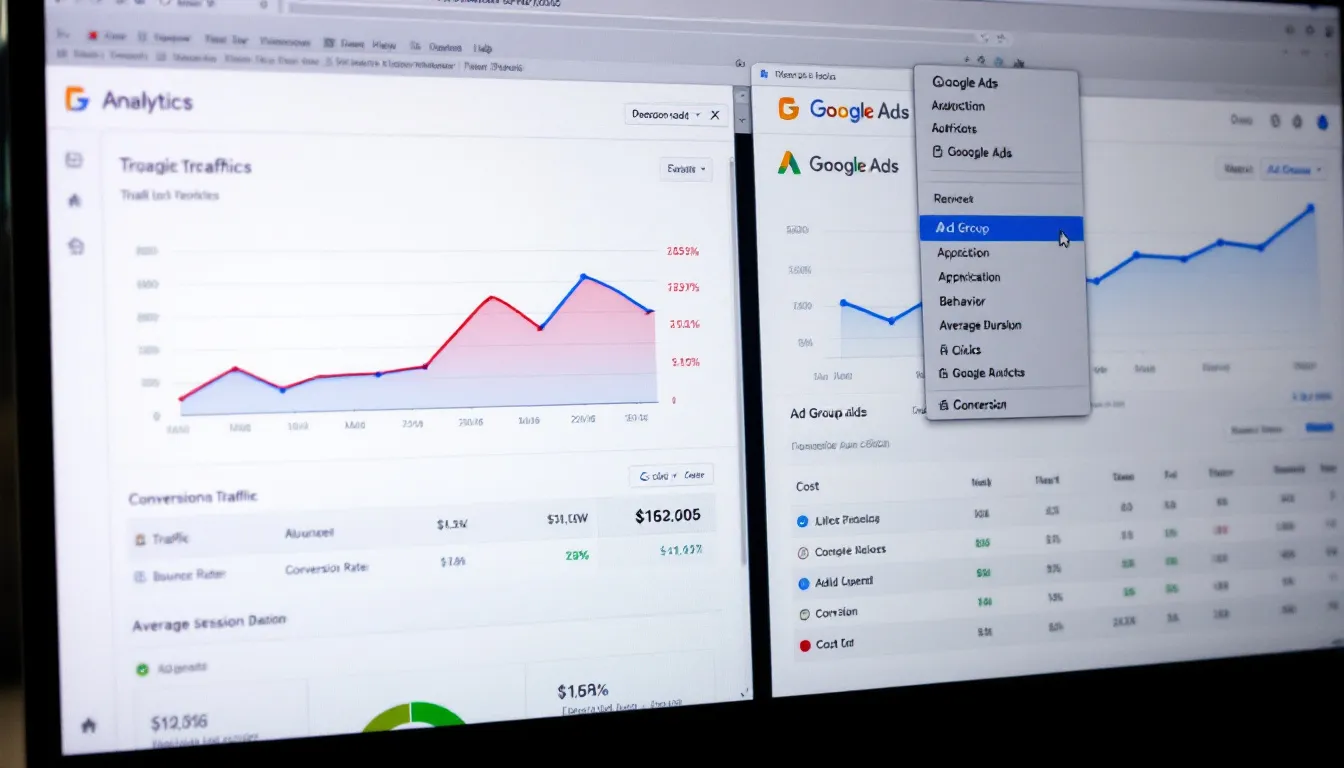
What Is Keyword Cannibalization?
Keyword cannibalization happens when two or more things on your website (like pages, blog posts, or even ads) try to rank or bid for the same exact search words or idea. Instead of helping each other, this overlap confuses Google's systems and ad auction platforms. And when search engines can't pick one page to show, none of the pages do very well.
For SEO, this makes it harder for any of your pages to rank well. For PPC, you basically pay twice to be in the same search spot. This wastes money. Also, your ads might bid against each other. This pushes up your cost per click for no good reason. And you pay more for traffic that might not convert better than free traffic would.
Even good plans—like making several pages for slightly different versions of the same product or search phrase—can cause keyword cannibalization if you don't have a clear plan and setup for them.

SEO Keyword Cannibalization: Competing With Yourself Organically
In SEO, your goal is for each page to have its own job. It should rank well for specific, important keywords. But keyword cannibalization works against this. It makes many pages "fight" for the same search words. This often happens when:
- You write many blog posts about similar things but don't plan the keywords.
- Category and product pages use similar titles or descriptions.
- You make local pages that are almost the same, just for different areas or zip codes.
- You accidentally make copies of helpful guides or tutorials over time.
Why SEO Cannibalization Hurts Performance
Here is how it hurts your SEO work:
- Search engines split how strong your site is across different pages. This makes your total ranking power weaker.
- Backlinks are spread out across many pages. This makes each page less trustworthy on its o.
- Pages have trouble getting to the top spots. This makes your site less easy to find.
- Fewer people click because you have many weak listings instead of one strong one.
- Google doesn't spend its time looking at your site efficiently. This means your site isn't indexed as well.
Imagine you have three pages on "email marketing tips." Each has similar content, similar titles and descriptions, and you don't make it clear which is the best one. Google splits its ranking signals across those pages. And this makes all of them do poorly. Just one well-made page would work much better.

PPC Keyword Overlap: The Paid Side of Cannibalization
For paid search, keyword cannibalization shows up as PPC keyword overlap. This happens when two or more active ads or campaigns compete to be shown for the same keyword or search query. This overlap can happen:
- When campaigns use different keyword matching types (like broad and exact).
- Between campaigns for your brand name and campaigns for other keywords, if they share product keywords.
- Because tools that add keywords automatically or use broad match make your ads show up for too many words.
Impact of PPC Keyword Overlap
With SEO, you try to get free space in search results. But with PPC, you pay real money for every click or interaction. When this overlap happens:
- Your own ads enter the same auction. And this pushes up how much you pay per click.
- The times your ads show up gets split between your duplicate ads. This makes your ads less visible.
- Your quality score can get lower. This is because your overlapping ads don't perform well.
- Ads that don't do well can make whole campaign groups perform worse based on the system's rules.
According to Allen (2021), almost half (47%) of paid search accounts they looked at had overlaps that made them spend more money and work less well. In accounts without careful ways to control keywords or use negative keywords, this problem can get big fast. This is especially true when you spend more money or run sales.

Red Flags: How to Spot Cannibalization Across SEO and PPC
Finding keyword cannibalization is the first thing you need to do to fix it. Here's what to look for for both organic and paid campaigns:
SEO Red Flags
- Your rankings for important keywords suddenly drop, and you don't find any technical SEO problems.
- Google Search Console shows many pages ranking for the same keyword.
- Tools that check backlinks show links spread out across similar pages instead of pointing to just one.
- One week one page ranks, the next week a different page ranks. Search results are not steady.
- The titles and descriptions in search results are confusing. They show similar ideas from different pages.
PPC Red Flags
- You pay a lot per click, and your ad quality scores are low, even if your ad words are good.
- High-performing ad groups start showing up less often.
- Auction insights reports show your own campaigns bidding against each other.
- Keyword planner suggests keywords you are already bidding on.
- The same keyword matching types show up in campaigns that are not related.
If you find these problems early, fixing them can help you get seen again and save money.
Where Cannibalization Hides in Your Campaigns
Even good digital marketers can miss where this overlap is hiding. Here's where keyword cannibalization often hides:
- Auto Matching: Broad or "close variant" keyword matches can make your ads show up for words you didn't mean to target.
- Brand vs. Product Ad Groups: Overlap often happens when you use brand names again in product ad text.
- Local SEO Pages: Pages for specific cities or areas use similar titles and descriptions without being different enough.
- Dynamic Search Ads (DSA): Ads made automatically often pull in keywords that you already use.
- Content Groups and Tag Pages: Blogs with too many tags can make many pages that look like copies to search engines.
WordStream (2022) warns that broad match and tools that add keywords automatically—often used to grow fast—can cause a lot of keyword overlap without you meaning to.
Why SEO and PPC Suffer Differently
Both SEO and PPC have problems because of keyword cannibalization. But the signs and what happens are very different:
SEO Suffers Through:
- Search robots get confused by content (many pages for one topic).
- Your own pages compete, making all of them do poorly.
- You lose control over what shows up in search results and how strong your links are.
- People trust your site less because the message is not consistent.
PPC Suffers Through:
- Bidding costs go up for no good reason—your own ads make it happen.
- Your ads show up less often because of internal competition.
- Numbers for your whole account go down because duplicate ads don't do well.
- You have less control over when and where your ads show.
If you don't plan how you handle both, it weakens every part of your search marketing.
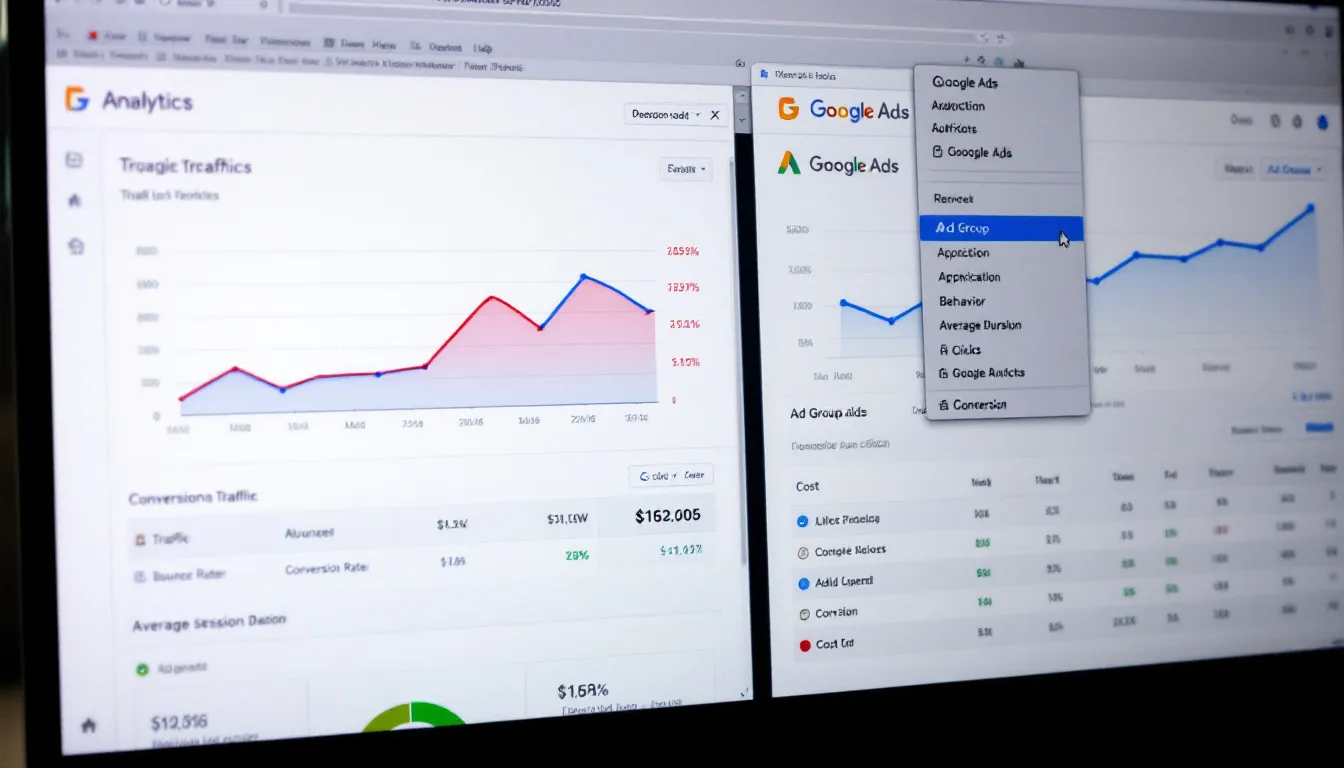
Tools to Detect Keyword Conflicts
Luckily, there are free and paid tools that can help you find SEO and PPC keyword cannibalization before it gets worse:
- Google Search Console: Use the performance report. It shows you many pages ranking for the same keyword.
- Google Ads Auction Insights: This report shows auctions where you are bidding against yourself.
- SEMrush or Ahrefs: These tools can easily find pages that are competing for the same keywords using their built-in features.
- Keyword List: Make a spreadsheet. It should list each page or ad group and the keywords they should target.
Checking keywords across both SEO and PPC every 3 months keeps things organized and helps you cover the right search terms in the best way.
SEO Tactics to Avoid Cannibalization
To keep keyword cannibalization from hurting your SEO, use these technical and site setup steps:
- Give Each Page One Keyword: Don't make many pages that try to do the same thing or target the same main idea.
- Use Internal Links: Link pages together to show how they relate. Group related topics.
- Canonical Tags: Use these tags. They tell Google which is the main version of pages that look like copies.
- Combine Content: Put weaker posts together into bigger, better pages when needed.
- Fix URL Structure: Make sure your web addresses show different topics, not just slightly changed versions of the same word.
Once you fix this, you'll see free search traffic go to fewer pages. But these pages will be stronger.
How to Prevent PPC Keyword Overlap
Stopping keyword cannibalization in paid ads means setting up your campaigns carefully:
- Use Exact and Phrase Match: For your most important keywords, only use exact match or phrase match. This lets you control exactly what people search for to see your ads.
- Use Negative Keywords: Add negative keywords across your ad sets. This stops your own campaigns from competing.
- Break Up Campaigns by Goal: Keep campaigns separate based on what people want to do or where they are in the buying process. Don't mix general info goals with buying goals.
- Write Different Ads: Make sure the text in your ads is different. This helps show a different goal, even if the search words are similar.
Let’s say you run ads for “affordable digital marketing tools.” Your general info campaign should go after “free marketing tools.” But your buying goal campaign should go after “buy digital marketing platform.” No overlap, clearer targeting.
Aligning SEO and PPC for a Unified Strategy
Bringing SEO and PPC together lets you reach people at every step. And it avoids doing the same thing twice. Here's how to do it:
- Have One Main Keyword List: Make a list of all your keywords. Make sure copywriters, SEO people, and paid ad strategists can all use it.
- Plan Content Together: Before you make new content, plan it together. Let what you learn from PPC help you decide what SEO topics to write about, and vice versa.
- Use A/B Tests: Test to see if a keyword works better for SEO or PPC. Then use it where it works best.
- Have Quick Team Meetings: Have short meetings with all the teams (SEO and PPC) every week or month. This keeps everyone on the same page.
Having one main keyword list helps your campaigns work together towards the same goal.
How Automation Helps Eliminate Overlap
AI and automation tools can now stop keyword conflicts before they start:
- AI Keyword Tools: These tools can flag keywords that are already used before you even start writing.
- Auto Keyword Lists: These tools can automatically change keyword assignments as your content changes.
- CMS Tools: You can build keyword checks and assignments into the tools you use to manage your website content.
- PPC Automation: You can use rules or scripts to automatically pause ads that are overlapping based on how they are doing.
For big teams managing hundreds of pages and all their titles and descriptions, this automation saves a lot of time and money.

Keyword Cannibalization Audit: Final Checklist
Keep this checklist handy. Use it to check your keywords regularly:
- Check GSC to find pages ranking for the same keyword.
- Look at Google Ads to see if you have overlapping keyword types or campaigns.
- Add negative keywords between PPC campaigns each month.
- Look at your SEO content plans every three months.
- Use automation tools to find duplicates before they cause problems.
Managing your keywords is like managing good property. Each keyword should have its own job without overlapping.
Keyword cannibalization is a problem you might not see, but it can really hurt your marketing results. It can make PPC costs go up. And it can make your site harder to find in SEO. Doing the same keyword work in both channels stops you from doing your best. But if you use one plan for SEO keywords, check your work often, and use the right automation tools, digital marketers can stop wasting money. They can make their message clearer. And they can get better results. This happens without their own campaigns competing behind the scenes.
Citations
- Moz. (n.d.). The Beginner’s Guide to SEO. Moz. https://moz.com/beginners-guide-to-seo
- WordStream. (2022). Understanding Google Ads Keyword Match Types. WordStream Blog. https://www.wordstream.com/blog/ws/2017/11/15/google-ads-match-types
Written by
Rocket Agents
Part of the Rocket Agents team, helping businesses convert more leads into meetings with AI-powered sales automation.


Ready to Convert More Leads?
See how Rocket Agents can help you respond to leads instantly and book more meetings.