

Listen to the Podcast
Available on your favorite platforms
⬇️ Prefer to listen instead? ⬇️
- Display URLs alone boosted CTR by up to 15% in controlled A/B tests.
- Subdomains like shop.brand.com increased ad performance by up to 12%.
- Higher CTR from optimized URLs leads to lower CPC through Quality Score gains.
- Mobile truncation of display URLs emphasizes clarity in domain and path structure.
- Consistency between display URL and landing page significantly reduces bounce rates.
Do Display URLs Affect PPC Performance?
Most of your focus in PPC likely goes to the headline, ad copy, or bidding strategy—but have you looked at your display URL lately? That seemingly minor string under your ad may have more influence than you think. Let's look at why display URLs matter in paid search and how optimizing them can make your entire PPC performance better—CTR, CPC, conversions, and more.

What is a Display URL (and How Does it Differ from Other URLs?)
The display URL is the visible web address shown with your PPC ad. While it may look like the full destination of the link, it's more of a readable preview. Its real job is to convey trust, relevancy, and brand identity at a glance—before users decide to click.
There are typically three types of URLs involved in a paid search campaign:
- Display URL: What customers see in your ad — e.g., www.brand.com/sale
- Final URL: Where the user is actually taken after clicking — e.g., https://www.brand.com/products/sale?utm_source=google
- Tracking URL/Destination URL: Often includes UTM parameters or redirects used for analytics and performance tracking.
The key distinction is that the display URL is more about optics and user psychology, while the others are functionally tied to traffic and conversions. Google Ads and other platforms allow you to customize the path portion of the display URL to enhance relevance. However, the root domain must match your final landing page domain to ensure consistency and transparency.
Anatomy of a Display URL
- Root Domain: The base of your brand’s identity (e.g., brand.com)
- Path: The extension that hints at where the ad leads (e.g., /new-arrivals, /free-trial)
Together, they can either build confidence or raise red flags for users making a split-second decision.

Why Display URLs Affect PPC Performance: The Click-Through Connection
Click-Through Rate (CTR) is a leading KPI in paid search. A higher CTR means more users find your ad credible, relevant, or enticing enough to engage. Since PPC is driven by limited characters and fast judgments, every signal matters—including the display URL.
The Role of Trust and Relevance
Studies and real-world PPC campaign audits suggest that users are significantly swayed by the visual appearance of URLs. Here’s why:
- Legitimacy: Clear, branded domains suggest authenticity and reduce skepticism.
- Predictability: Path names (like /pricing or /shop) help users anticipate what they’ll find post-click.
- Emotional Triggers: Familiar or promise-laden words (like /special-offer) can spark urgency or curiosity.
Unlike headlines—where boldness often reigns—the display URL plays a subtler yet powerful role: it whispers authority and congruence.
Psychological Nudges Embedded in Display URLs
Behavioral science suggests that humans make micro-decisions based on pattern recognition. URLs that align with what a user searches for, or that visually mirror reputable web conventions, are subconsciously trusted more. For example:
- Before: www.clickhere2024.com/promos
- After: www.rei.com/winter-deals
Guess which one feels safer?
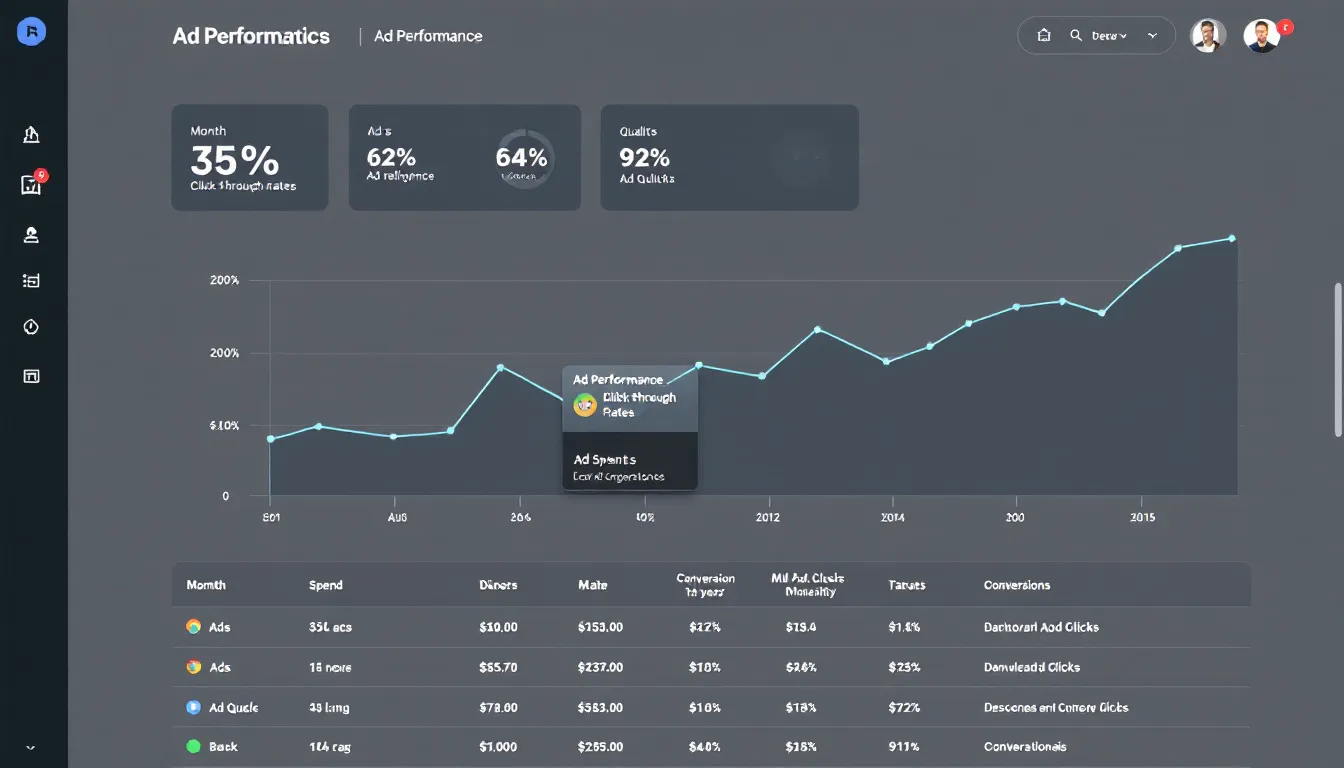
A/B Test Results: Display URLs Can Boost CTR Up to 15%
Optimizing your display URL isn’t just a guess—it’s backed by data. In a recent multi-brand A/B test across e-commerce verticals, marketers tested ads where the only variance was the display URL. Parameters included different domains, subdomains, and path naming structures. The findings?
- Branded root domains outperformed generic or technical-looking domains.
- Ads using user-aligned paths (e.g., /shop, /discounts) saw between 10-15% higher CTR.
- Subdomains matching contextual offerings, such as shop.brand.com versus info.brand.com, earned up to 12% better engagement on average.
That’s a huge payoff for such a fine-tuned visual piece of your paid search strategy.

Display URLs and CPC: Indirect But Important Impact
While your display URL doesn't directly control how much you pay per click, it contributes to a series of outcomes that can reduce your cost-per-click (CPC) over time.
Enter: Google’s Quality Score
Quality Score is a metric Google uses to determine your ad rank and how much you pay in their auction model. It includes:
- Expected CTR
- Ad relevance
- Landing page experience
By improving CTR via a clean, relevant display URL, you increase your Quality Score. And higher scores mean Google rewards you with lower CPC for the same or better ad positions.
The Value Per Click Equation
Let’s break it down:
- Higher CTR → Better Quality Score
- Better Quality Score → Lower CPC and higher ad placement
- Higher placement + lower CPC = More efficient PPC performance!
So while display URLs might not directly reduce costs in your budget spreadsheet, they absolutely influence your ROI on a per-click basis.

How Display URLs Affect Conversion Rates
Here’s an often-overlooked truth: your display URL sets an expectation.
If a user reads www.brand.com/free-trial, they anticipate landing on a page where they can instantly access or learn about your free trial. If they instead arrive at your homepage or an unrelated sales page, they feel misled—and are likely to bounce.
The Psychology Behind Post-Click Satisfaction
Conversions happen when users feel good about the whole process. That includes:
- Message Matching: Ensuring the display URL, ad copy, and landing page say the same thing.
- Expectation Management: Clear, specific paths reduce friction because users know what to expect.
- Trust Building: Every click a user takes is a form of micro-trust. When you make them guess or feel baited, trust fades—and so do conversions.

Smart Use Of Subdomains and Subfolders in Display URLs
Subdomains and subfolders play a strategic role in generating perceived structure—and your structure shapes user confidence.
Subdomains: Highlight Specialized Content
Using subdomains like:
- apply.university.edu
- deals.brand.com
- support.brand.com
...makes your brand appear more organized and authoritative. It signals that specialized teams, services, or departments are running the show behind that link.
Subfolders: Mirror Familiar Site Structure
Consumer psychology studies show that people prefer digital environments that resemble traditional navigation. URLs like:
- brand.com/winter-sale
- brand.com/store/electronics
- brand.com/solutions/legal
...create a clear mental map of what’s coming next. This significantly reduces hesitation and increases conversion likelihood.

Unifying Paid Search and Content Marketing Through URLs
In companies where organic content and PPC live in separate silos, inconsistent URL structures confuse both users and algorithms.
Let’s imagine two scenarios for a home security company:
- Organic blog URL: brand.com/blog/detector-installation-guide
- PPC ad URL: brand.com/install-now
Now compare to a cohesive approach:
- Organic and PPC both use: brand.com/blog/detector-installation-guide
This creates repetition, trust, and sharper memory recall. Even if the user doesn't click today, the consistent touchpoints across platforms bake your structure into their awareness.
Top Mistakes to Avoid with Display URLs
While optimization can boost PPC performance dramatically, mishandling display URLs can do the opposite. Here are some common pitfalls:
- Keyword Stuffing: Overloading with awkward keyword chains destroys readability and trust.
- Non-Branded Obscure Domains: Using technical or placeholder domains (like abc123app.io/deals) undermines legitimacy.
- Path-Landing Page Mismatch: Misaligned content drives bounce rates and hurts CTR over time.
- Neglecting Mobile: URLs that look clean on desktop may wrap or truncate poorly on mobile.
Always view your display URLs through the eyes of a fast-scrolling, time-starved user.
Mobile vs. Desktop Display URL Considerations
Display real estate shrinks drastically on mobile, where the majority of search traffic now originates. This shifts your strategic focus toward what’s immediately visible:
Keep It Short and Sweet
- Avoid lengthy paths: E.g., /products/2024-vintage-leather-jackets-level-5 will get cut off.
- Prioritize recognizability: Make sure the brand and main topic come first in the string.
- Test previews: Use your ad platform’s device preview tools to see actual truncation points.
CTR losses due to mobile display issues may not be easily traceable in reporting, but they can have massive ripple effects over time.
Display URLs in Retargeting Campaigns
Display URLs are especially impactful in remarketing. Why? Because you’re re-engaging users who have already seen your brand, and perhaps even a specific section of your website.
Strategies for Smart Remarketing URLs
- Bring back the context: If they visited /webinar-invite, show a display URL like brand.com/webinar-invite
- Reflect funnel stage: For cart abandoners, use paths like brand.com/cart or brand.com/checkout
- Anchor trust: Matching display URL to the user's previous experience increases the odds of re-engagement.
In short, familiarity breeds click-throughs.

How to Measure Display URL Performance
You should A/B test display URLs just like headlines and calls-to-action. Track their effect on:
- CTR changes across ad groups
- Quality Score fluctuations
- Landing page metrics: bounce rate, time on site, conversion flow
- CPC trends over time
Testing Best Practices
- Volume Thresholds: Aim for at least 1,000–2,000 impressions per test group for statistically significant results.
- Isolate Variables: Change one URL element at a time (e.g., path or subdomain).
- Run for Weeks, Not Days: Avoid drawing conclusions from short-term, low-volume performance.
Even small CTR gains (1-2%) can build to thousands of extra conversions in high-volume campaigns.

Systemizing Display URL Optimization: Tools & Tactics
Doing this at scale requires operational discipline. Here’s how to manage effectively:
Use Display URL Templates
Establish logical structures tied to audience or funnel stage. For example:
- TOFU (Top-Of-Funnel): www.brand.com/learn
- MOFU (Middle): www.brand.com/compare
- BOFU (Bottom): www.brand.com/signup
Automate with Ad Tech
Modern PPC platforms allow you to dynamically insert keywords or content-driven paths based on rules. If your site has organized product categories or services, import these to populate display paths automatically.
Integrate with CMS or PIM
Your content or product inventory systems can push structured URLs to your paid campaigns. This keeps your paid and organic naming organized without double manual entry—which reduces errors and improves alignment.
Summary: Small Detail, Big PPC Upgrade
Display URLs may be one of the smallest pieces of your PPC puzzle—but they hold surprising power. They can increase CTR, reduce CPC via Quality Score improvements, fuel better conversion rates, and align your paid search with broader marketing strategies. Don’t overlook them.
Ask yourself before launching each campaign:
- Is the domain clean and trustworthy?
- Does my display path clearly match my keyword intent?
- Will the user’s landing page experience match what I promised?
- Have I tested different formats and measured the results?
In the competitive world of paid search—where every click counts—that one line of text might just be your highest-performing facelift yet.
If you're struggling to unify display URLs with the rest of your content strategy, consider a content automation platform that maintains consistency across SEO, paid, and organic touchpoints. Let your URLs do more than link—they should speak directly to your audience.
Written by
Rocket Agents
Part of the Rocket Agents team, helping businesses convert more leads into meetings with AI-powered sales automation.


Ready to Convert More Leads?
See how Rocket Agents can help you respond to leads instantly and book more meetings.