

Listen to the Podcast
Available on your favorite platforms
⬇️ Prefer to listen instead? ⬇️
- “Near me” searches have increased by over 200% in the past two years.
- 87% of consumers read online reviews before visiting a local business.
- Hyper-local content improves SEO and increases onsite engagement in small to mid-size markets.
- Hyper-local PPC advertising delivers better ROI for businesses with tight geographic targets.
- AI and automation tools now allow small teams to scale localized marketing efficiently and affordably.
What Is Hyper-Local Marketing?
Hyper-local marketing targets a narrowly defined geographic area—often encompassing individual neighborhoods, zip codes, or city blocks. It's not just geographic targeting; it’s about knowing what matters to people in those specific pockets of life. This form of marketing goes beyond traditional local campaigns, enabling businesses to create messaging that connects with deeply local influences, from regional slang to community events to weather patterns.
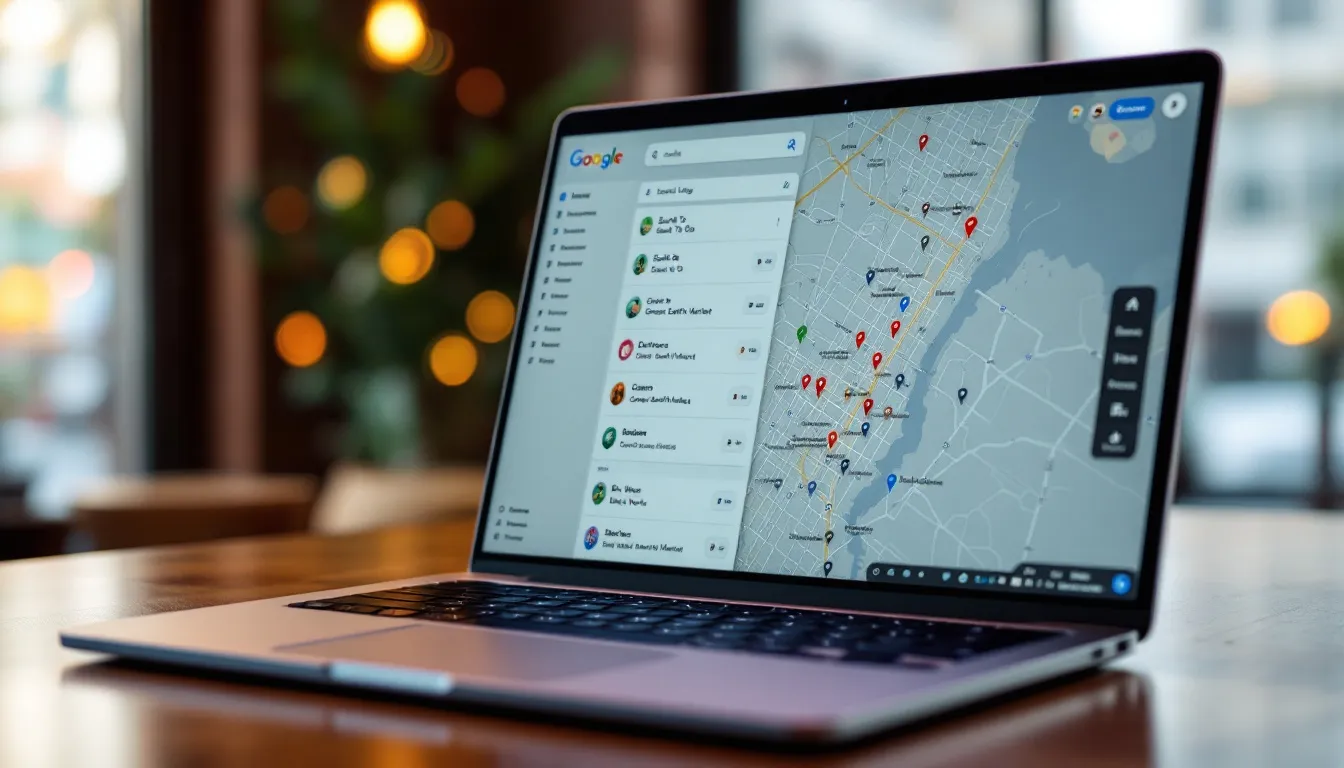
In an age dominated by digital experiences, consumers are craving authentic, localized engagement. The rise of “near me” searches, which have increased by over 200% in just two years (Google/Ipsos, 2022), reflects a broader cultural shift. Audiences are less interested in broad messaging and more drawn to businesses that reflect their immediate environment. Whether it's a coffee shop promoting a neighborhood open mic night or a fitness center crafting seasonal workout specials that match local weather conditions, hyper-local creates relevance—and relevance drives results.
Why Hyper-Local Strategies Matter for Small Markets
While big brands have global reach and massive budgets, local businesses retain an inherent competitive edge: authenticity. In small and mid-sized markets, relationships often matter more than advertising dollars. Buyers are influenced by word-of-mouth, local experiences, and the pride of supporting their communities.
Hyper-local marketing allows small businesses to showcase this authenticity in tangible ways. Sponsoring local sports teams, participating in farmers' markets, or even highlighting region-specific references in blog content creates instant rapport. Moreover, these strategies can outperform broader initiatives. Studies have consistently found that people are more likely to trust community-based brands. Hyper-localized efforts humanize businesses in a way big-brand automation cannot always replicate.
Even national brands are recognizing this. Retail giants now run geo-specific campaigns with creative tailored to regions. While this localization is becoming more sophisticated, they still often lack on-the-ground insight that local SMBs naturally possess. You know the neighborhood's pain points, celebrations, rivalries, slang—and these nuances provide a powerful edge when expressed well across your content marketing and PPC advertising efforts.

The Role of Content Marketing in a Hyper-Local World
Content marketing tells the story for your hyper-local plan. Well-targeted content informs, engages, and builds long-term trust. And when done correctly, it transforms your business into a local authority—part guide, part storyteller, and part community partner.
Local SEO and Keyword Relevance
Hyper-local SEO is key to your content plan. Customizing titles, metadata, headers, and on-page content to include geo-specific terms (e.g., “best pediatric dentist in Boulder”) makes pages much more likely to rank for local intent searches.
Use tools like Google Keyword Planner, Ahrefs, or SEMrush to find high-intent localized keywords based on your services and city. Then, put them in:
- Blog titles and headers
- Landing page copy
- Image alt text
- Review responses
Cultural Storytelling and Community Resonance
Hyper-local isn't just about being geographically specific—it’s about cultural authenticity. Write stories about local events, places, how people talk, or problems in the area. This might include:
- A blog post about the “Top 10 Things to Do in East Nashville This Summer”
- A customer spotlight featuring a beloved regular
- A how-to guide for recruiting new hires in that city’s job market
The goal is to show your audience—you’re one of them.
Content Automation at Scale
Tools like Jasper, Surfer SEO, and Clearscope let marketers make lots of content. You can make small changes for each city or neighborhood. This keeps the quality high.
Using templates, automated steps, and checking content yourself, you can quickly put out lots of content pages. These pages will be right for the area and still sound real.

How PPC Advertising Complements Hyper-Local Strategies
Hyper-local PPC advertising speeds up your digital marketing. While content marketing focuses on long-term growth and trust-building, PPC offers quick, measurable wins.
Here’s how to use PPC well in your area:
Precision Geo-Targeting
Platforms like Google Ads, Meta Ads (Facebook and Instagram), and TikTok Ads allow you to define specific delivery zones. This includes targeting:
- Radius around your business
- Zip codes or postal codes
- City block-level segments
These micro-targets help ensure you’re only paying to reach people most likely to convert.
Smart Use of Ad Extensions
Use all the space in your ad to show where you are. This includes:
- Call extensions – to prompt immediate local calls
- Location extensions – synced with your Google Business Profile
- Review extensions – that showcase 5-star ratings from nearby customers
Incorporate phrases like "5 mins from downtown [City]" or "Serving [Neighborhood] since 2010" to add local flavor that improves both click-through rates and trust.
Real-Time Performance Feedback
PPC data helps you learn fast. Experiment with local headline variations (“Late-night pizza in Brooklyn” vs. “Pizza near Williamsburg bars”) and use CTR and conversion data to inform organic content strategies. What's working in ads may signal what should be scaled organically through blog posts or landing pages.

Key Elements of a Hyper-Local Digital Strategy
For success with hyper-local marketing, especially when combining both content and PPC advertising, you need more than just tools—you need good structure and clear steps on how to do things right.
NAP Consistency
NAP stands for Name, Address, and Phone number. It's fundamental to local SEO. Inconsistencies between platforms (like Yelp, Facebook, and Google Business Profile) damage local rankings. Use auditing tools like BrightLocal or Moz Local to ensure alignment.
Google Business Profile Optimization
This free but powerful asset is often your first impression on searches. Optimize by:
- Adding new photos monthly
- Posting regular updates or offers
- Responding to every review—especially negative ones
- Tagging service categories exactly
Google uses engagement metrics from GBP to decide whether to show your business in the “map pack”—those prime-position listings on SERPs.
Localized Landing Pages
Don't use one page for all locations. Make unique pages for each city, neighborhood, or zip code. These pages should talk like people from that area.
Best practice? Include:
- Customer testimonials from local individuals
- Local photos (not stock images)
- A Google Map embed
- Hyper-local keyword targeting
Web builders like Webflow and WordPress combined with CMS tools can automate this at scale.
Social Proof and Community Credibility
If people recognize faces or names they trust in your marketing, your conversion rates will rise. Feature real community members, partner with hyper-local influencers or show off event participation.
Even low-cost tactics (like resharing customer-generated photos) can go a long way toward establishing neighborhood authority.
The Impact of AI and Content Automation in 2025
AI tools are central to scaling hyper-local marketing in 2025. What used to require an army of creatives can now be handled by a small team with the right tech stack.
Efficient Repurposing
Use one main piece of content in many ways:
- A blog article becomes a tweet thread
- That same thread becomes a video script
- Snippets from the video become an Instagram Reel
Tools like Zapier, Repurpose.io, or Buffer help you share content easily without doing the same work over and over.
AI-Driven Localization
Using AI platforms like Writesonic or Copy.ai, you can generate copy with built-in local variables. For instance, inputting a city name, weather condition, or notable landmark can make custom words that feel human and specific.
Avoid full automation without editorial review—local references should be curated to avoid sounding robotic.
Maintain Brand Voice at Scale
Modern platforms allow you to lock in brand tone, optimize for readability, and train models using prior content examples. This enables voice consistency whether you're publishing for Phoenix or Philadelphia.
Examples of High-Performing Hyper-Local Content
Feeling stuck on ideas? Here are formats that outperform across various platforms:
Blog Posts
- “Top Yoga Studios in [Neighborhood] That Locals Swear By”
- “Best Dog Parks in [City] According to Local Pet Owners”
Podcasts
- Weekly roundups like “What’s the Vibe This Weekend in [City Name]?”
Social Media
- Instagram Carousels: “5 Must-Try Lunch Spots Within Walking Distance of [Landmark]”
- TikTok Challenges: “Dance with [Local Song/Band] in [Famous Intersection]”
These content ideas do more than inform—they position your brand as part of the community’s daily rhythm.
Tips for Doing Well in a Small Market with Limited Resources
Hyper-local success doesn't require a massive media budget—it requires intentionality.
- Batch content production: Film multiple social media videos in one session to stretch limited time.
- Use main content as a base: One great guide or podcast can give you weeks of other material.
- Put your effort into platforms that feel like a community: Facebook Groups, Nextdoor, and Substack newsletters are great at building local connections.
How to Hyper-Target with PPC in a Local Context
To make every dollar count, get good at targeting small areas:
- Separate ad groups by neighborhood: Enables more specific creatives and better performance insights.
- Highlight known local landmarks or events in ad copy.
- Apply event-based retargeting: Remind users who visited your site last month about upcoming seasonal promotions (e.g., fall menu, back-to-school deals).
Using Google’s In-Market and Custom Intent audiences, you can even overlay consumer behaviors with geography.
Tools and Resources to Amplify Hyper-Local Campaigns
Organize a flexible and good marketing tech stack:
Content Creation & Automation
- Jasper or Writesonic for AI copywriting
- Ocoya for AI-driven social content
- Canva Pro for easy localized design templates
Local Analytics and SEO
- BrightLocal for citation tracking and local rank metrics
- Google Business Manager insights
- Moz Local for listing consistency
Customer Engagement & CRM
- Mailchimp or Constant Contact for localized email campaigns
- HubSpot for tied-in content + CRM workflows
- GA4 for geolocation-based metrics setups

Common Challenges—and How to Solve Them
Hyper-local marketing can be rewarding but not without challenges:
Limited Local Keyword Data
Use PPC campaigns to test keyword performance and discover what exact phrases locals convert on.
Limited Time
Automate wherever possible. Focus on evergreen content that won’t expire quickly—like city guides or top service lists.
Engagement Fatigue
Change content formats regularly. Run polls, contests, spotlight staff or clients to keep content fresh and fun.
KPIs and How to Measure Hyper-Local Success
Tracking your hyper-local work means looking at data broken down by area:
- Map Pack Performance – from Google Business Profile’s insights
- Geo-tagged Engagement – social media metrics filtered by city
- Conversion by Zone – which zip codes drive the most form submissions or calls?
- Keyword Positioning – especially “near me” or city-specific phrases
Use UTM links and Google Tag Manager for precise tracking.
Why Brand Consistency Is Crucial
Even if your tone shifts slightly per market (e.g., fun-loving in Austin, professional in D.C.), your brand should remain visually tight and values-driven across all touchpoints. From colors to voice, ensure there's a thread that connects all your local marketing pieces back to who you are as a brand.
Whether your customer sees a TikTok, reads a blog post, or clicks a PPC ad, the experience should feel cohesive—trust is built in consistency.
Whether your customer sees a TikTok, reads a blog post, or clicks a PPC ad, the experience should feel cohesive—trust is built in consistency.
Written by
Rocket Agents
Part of the Rocket Agents team, helping businesses convert more leads into meetings with AI-powered sales automation.


Ready to Convert More Leads?
See how Rocket Agents can help you respond to leads instantly and book more meetings.