

Listen to the Podcast
Available on your favorite platforms
⬇️ Prefer to listen instead? ⬇️
- 43% of Gen Z have already made purchases directly within social media apps.
- 72% plan to use generative AI for online shopping, with 79% reporting better results over traditional search.
- 55% of consumers are reducing spending due to economic uncertainty, yet prioritizing value over austerity.
- 75% of people now view data privacy as a basic human right.
- 58% of shoppers are willing to pay more for sustainable products.
2025 is an important time for how consumers act. Technology is changing fast, the economy is different, and what people value is changing. Consumers are finding, looking at, and buying things in new ways. Businesses that want to stay quick and current need to pay attention to what consumers will do in 2025, especially with digital media and new technology. This article looks at the main things changing the market and what that means for how consumers will act in different industries.

The Social Commerce Boom
Social media is changing from just a way to build a brand to a real sales channel. In 2025, we are seeing the next step for social commerce. It mixes entertainment, information, and buying smoothly.
Consumers are no longer hopping between apps or waiting to 'go to a store'—physical or digital. Instead, they connect with brands and buy things while looking at content they feel good about or that fits their culture. Platforms like Instagram and TikTok are the main ones here. Instagram's Shops and TikTok Shop make buying on impulse fun and easy.
But this growth has problems. As more sellers jump on the platform, the risk of fakes, products you can't trust, and bad customer service goes up. Smart consumers are excited but also careful. To do well, brands must show they are different with verified seller status, real customer reviews, easy ways to get refunds, and reliable help after someone buys something.
New digital media trends show a big move toward shopping inside videos, especially live ones. Interactive video, AR try-ons, and AI ideas for what to buy are also coming into social commerce. This makes people connect more and helps sales.

Gen Z Leads the Charge on Next-Gen Platforms
Gen Z still has a lot of power over how consumers will act. This is especially true because of the platforms they use. Older platforms like Facebook are used less by younger people. TikTok, YouTube Shorts, Twitch, and BeReal are getting more popular with younger people who want content that feels more real and less planned.
Here's why they like these platforms:
- Content that isn't filtered and lets people be creative
- Connecting with others, not just showing off
- Being able to be part of culture, not just watch it
So, marketers need to think again about which platforms are most important. Where people are looking and why they are looking there changes more than before. Don't use the same plan for everyone. Instead, brands need to make plans for each platform. The content needs to fit what users expect, from stories using memes on TikTok to live shows on Twitch where people can join in.
To know why Gen Z does what it does, you need to see the small differences. These young people want to connect, not see perfect things. They care about everyone being included and knowing what's happening in the world. They connect most with brands that show their values and sense of humor in a real way.
The Decline of Traditional Search: The Rise of AI and Social Discovery
How we search is changing completely. Google has been the clear search leader for a long time, but it's losing some ground. Consumers are going to platforms that give them a better, more personal way to find things.
Here's what the numbers show:
- Google's market share has dipped below 90% for the first time in over a decade.
- 72% of consumers are exploring generative AI like ChatGPT or Perplexity for product discovery.
- A remarkable 79% of AI users say their experience surpasses traditional search engines.
People are using social media like a search engine too. Consumers actively search TikTok, Instagram, and YouTube for everything from recipe ideas to product reviews. This fits with how people are wanting pictures and content they can experience more than just words.
To do well as things change, brands need to think again about how they get found online (SEO). Getting ranked on Google is just one way to be seen now. Being seen in content made by AI, searches on social media, and video results needs to be part of how you plan to be visible.
Making things work for AI (the new way to do SEO) means setting up data so AI can answer questions, giving AI models steady brand stories, and having good visuals that AI tools can use or sum up.

Economic Frugality Driving Value-Conscious Behavior
Not knowing what will happen with the economy still affects how consumers act. In 2025, shoppers are careful, but they are also smart about it.
A lot of consumers (55%) say they are spending less because of rising prices, worries about jobs, and a general feeling that the world economy isn't stable. But people haven't just stopped spending on everything. It's deciding what's most important.
Shoppers are:
- Choosing quality over how much they buy
- Not buying things on impulse, but planning investments
- Thinking about how much something costs each time they use it and if it's worth the money over a long time
This change means marketing messages need to change too. Ads that talk about how long something lasts, how useful it is, how it saves money over time, and how reliable it is work much better now than ads for expensive things people just wish they had. Brands must also be clear about prices and tell people costs upfront to keep trust.
Subscription models and bundles offering service value for a long time are being looked at in a new way. People aren't asking “How much does this cost?”, but rather “What does it keep saving me over time?”
Digital Privacy Becomes a Consumer Priority
The time when companies just collected your data without you thinking about it is gone. Consumers in 2025 are saying they have a right to keep their data private. They know more about how, where, and why their data is used.
Here's why people want more privacy:
- People know more about companies watching what they do to make money
- There have been big data leaks and problems
- People trust social and digital platforms less
Most users (75%) now think digital privacy isn't just an option, but a basic human right. Because people know this, they like brands that:
- Are clear about collecting data
- Let you control exactly what they can do
- Let you choose if you want personal things
Brands should plan for privacy from the start. This means building privacy into products when you make them. This could be tools for agreeing to cookies, checking data without knowing who it belongs to, or rules that mean no personal data is shown.
Since people expect digital privacy now, being trusted makes you stand out. Being open is not just a good thing to do, it's needed to keep your audience.

The Experience Economy: Memories Over Materials
The old way of focusing on products has been replaced by an economy focused on experiences. Consumers care more about experiences that mean something and that they can share, instead of just buying more stuff.
Surveys show that 58% of Americans would rather have personal experiences—like trips, concerts, or getting away to relax—than thing.
For brands, this is a big chance to connect with people in ways they will remember and feel something about. Marketing based on experiences is growing. This includes:
- Pop-up events
- Showrooms where you can really feel like you are there
- AR experiences
- Trying out products in interactive ways
What you show people must also match this. Showing what happens behind the scenes, stories from customers, and stories that make people feel something work better than just trying to sell something directly.
Whether a makeup brand lets you try things on your phone or a shoe company sets up running groups in its stores, the main point is the same: make the product part of an experience.

The Rise of AI Assistants in Shopping and Support
AI isn't just for the future anymore. It's a full part of how customers buy things and get help in 2025. Computer helpers and AI you can talk to aren't just helping people look for things. They are also very important for getting help and care after buying something.
Here are some important things people are doing:
- 59% of users prefer helping themselves over talking to human reps
- Shoppers expect help available all the time (24/7) and answers in under one minute
- Because natural language processing is better, AI chatbots are easier to use and more helpful
AI works best when it helps people, not when it takes their place. Smart ways for a bot to hand you over to a person, AI suggesting products, and service messages sent before you even ask are important ways modern brands stand out.
In online and store shopping, AI is changing everything. This goes from helping you find things to handling returns automatically and changing prices. Brands that don't use AI you can talk to and systems that let people change things risk falling behind.
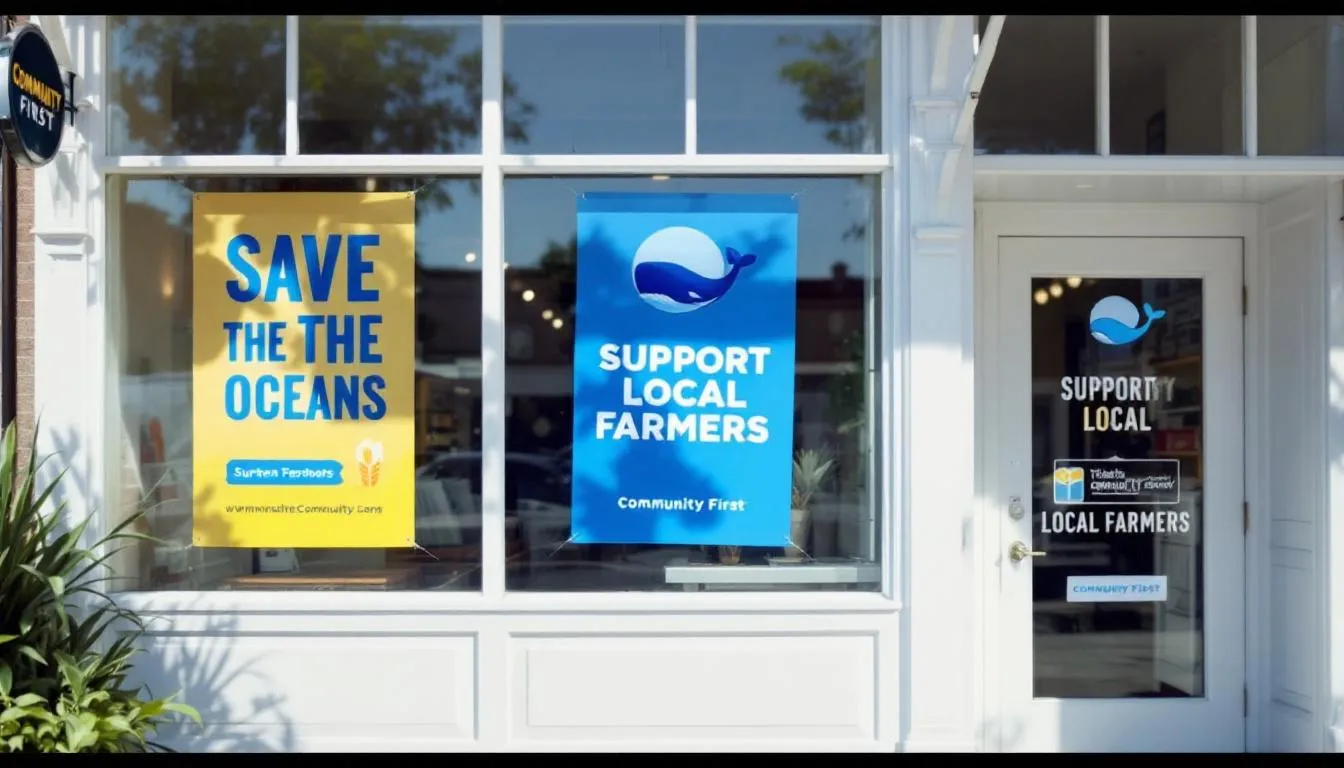
Omnichannel Expectations: Consistency Everywhere
How a modern customer buys something isn't a straight line anymore. It's like a network of places they connect with you, across apps, devices, and even in real stores. Being able to reach a brand everywhere (omnichannel) is the normal way now.
How customers like to get service shows this mix:
- Phone (49%)
- In-person (44%)
- Email (32%)
- Live chat (25%)
- SMS (22%)
Customers expect things to flow smoothly. If they start talking to a bot and then call for help, the information should follow them. If they look at a product on their phone app, the website on their computer should know where they were.
Systems that bring together customer info, managing who someone is across different ways of connecting, and looking at all data in one place make these smooth switches possible. Being omnichannel isn't something you can skip. It's why many brands get another chance or lose a customer for good.

Authentic and Relatable Content Wins Attention
Don't worry about perfect studio work. Today's consumers want content that is real, that they can relate to, and that isn't polished. The rise of platforms like TikTok and formats like "Stories" on social media has made short videos and content showing what happens behind the scenes very important now.
What this means?
- 52% connect more with charts and pictures
- 45% like short, quick videos
- 35% like live videos that aren't filtered
Your brand doesn't need a lot of money like a movie studio. It needs a good story, someone real for people to see, and a smartphone. From showing products with real customers to videos of what employees do all day, being real is more important than how good the video looks.
Try to be relatable more than perfect. Show your customers the people, not the pixels, behind your brand.

Influencer Marketing Matures—and Explodes
Marketing using influencers is no longer just for a small group. It's now used everywhere. Instead of famous people saying they like something, consumers are listening to people who make content that they feel close to.
In 2025:
- 29% of consumers discover products through influencers
- 45% of Gen Z consider themselves influencers or creators
- Smaller influencers (10K–99K followers) get people to connect more for specific groups
What happens? You get more back from working with creators because they build trust by being real. Very big influencers might reach a lot of people, but smaller ones connect with specific groups and get things done. Platforms like Instagram, TikTok, and YouTube are key places for brands to tell their stories with the help of creators.
To get the most back for your money, marketing teams should build long-term relationships with influencers, not just ask them to post once. Give creators access to what happens behind the scenes, tell them about products before others, and let them be creative on their own. The more natural it looks, the more impact it has.

Consumers Want Choices—Including How (and When) They Pay
Being flexible with money is starting to be as important as how good a product is. How you let people pay now helps sales, or makes people leave.
How consumers like to pay includes:
- 63% still go for straight, full-price purchases
- 21% opt for Buy Now, Pay Later (BNPL) plans
- 17% lean toward subscription models
This change means brands need to offer different ways to pay. Apple Pay, ways to Buy Now, Pay Later like Klarna, paying in stores without touching anything, crypto wallets, and even sending bills to businesses (B2B) affect if people buy something.
Payments that work smoothly don't just make buying easier. They build trust because they give consumers control and are clear about costs. The easier it is to pay your way, the more likely a purchase is finished.

Consumers Expect Brands to Care—But Are Split on How Vocal
Should brands get involved in talking about social and political issues? People don't agree.
The numbers show:
- 43% say brands should avoid weighing in
- 36% say they should speak out
- 55% care most about brands helping with racial justice, then climate change and healthcare
Brands need to be careful. Doing just a little bit is often seen as just for show. But not saying anything can seem like you agree with a problem. What should you do? Support causes that fit well with what your brand believes in and how it works. Then, do something first, and talk about it second.
Doing marketing that cares about social issues needs more than just being seen. It needs real action. Programs that fix problems and working with others are better than hashtags.
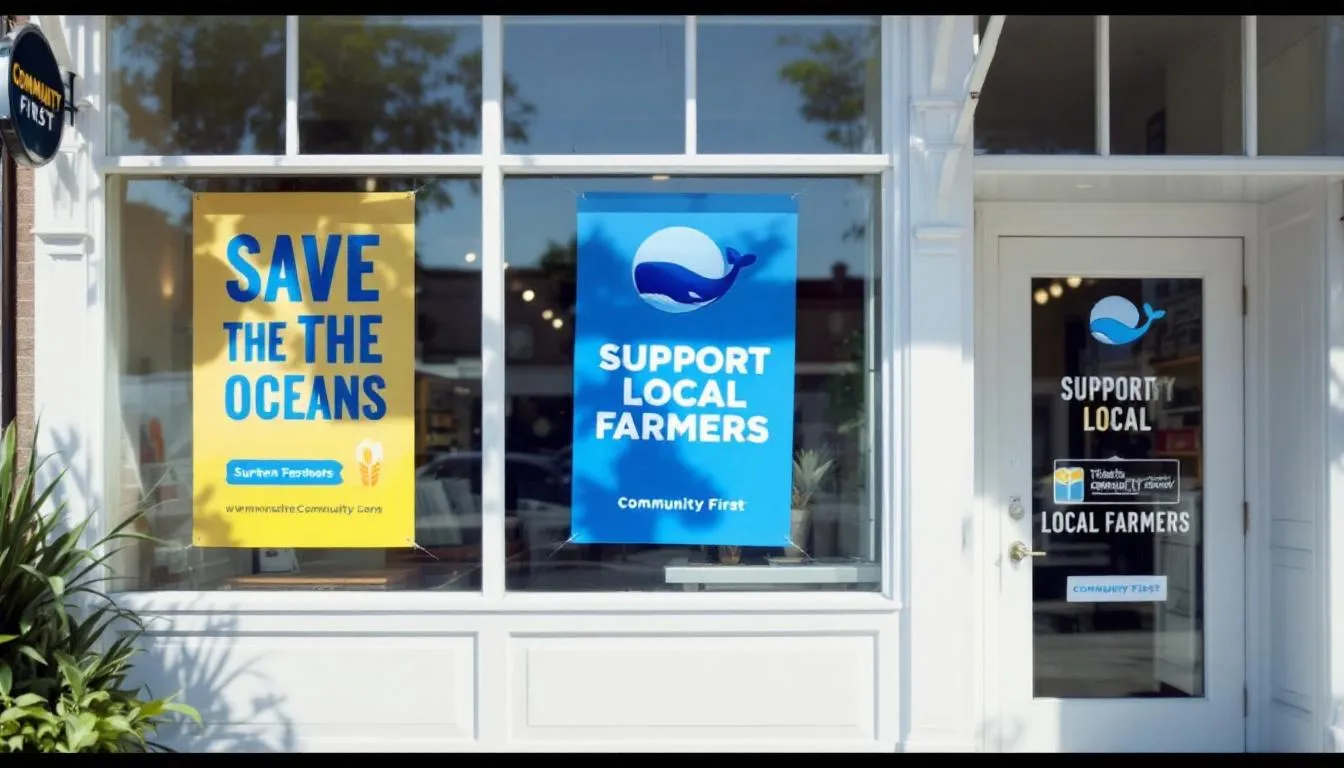
Going Green Is No Longer Optional
Buying things while thinking about the environment isn't just a trend. It's a basic change. More shoppers are really looking for choices that are better for the planet. They are also looking closely at where things come from and how they are made and moved.
According to recent studies:
- 58% of consumers are willing to pay more for sustainability initiatives.
Being good for the planet now includes packaging, how things are delivered, how long a product lasts, and where you get materials. But just saying you are green won't work in 2025. Younger shoppers especially want proof from data, like papers saying you don't add carbon, packaging without plastic, or being certified as a B-Corp.
When you talk about it, show specific things you are doing and how they help. Being open builds loyalty. Making good choices, and showing your proof, helps your brand.

Mobile Commerce: Now the Default
Shopping on phones isn't just getting bigger; it's already the main way. For the youngest people who grew up with computers, phones are the main way they shop by themselves.
Important changes in how people act show:
- 81% of Gen Z say they use their phone as their primary shopping device
- Mobile ads, app messages, shopping inside apps, and wallet apps now make up most of the online purchases
So, brands need to plan for phones first when they design how things work for users (UX), not just make sure it also works on phones. From how big buttons are and how fast things load to vertical videos and search bars that are easy to use, making things work well on phones isn't just about how it looks. It's very important so people can use it easily and buy things.
How Google lists mobile sites, getting more back from SMS marketing, and systems for buying things inside social apps all point to one thing: Phones are the new stores.
Conclusion
As we go further into 2025, consumers will keep changing what they expect as fast as technology and culture change. How consumers will act in the future is being shaped by AI, spending based on what people value, being careful with money, and wanting things made just for them along with wanting privacy. To keep up with consumer trends in 2025, you need to be quick, be open, and keep working hard to give real brand experiences that pull people into the digital world.
Ready to meet the expectations of the 2025 consumer? Find out how automated, high-quality content can make your brand seen on every channel.
Written by
Rocket Agents
Part of the Rocket Agents team, helping businesses convert more leads into meetings with AI-powered sales automation.


Ready to Convert More Leads?
See how Rocket Agents can help you respond to leads instantly and book more meetings.