

Listen to the Podcast
Available on your favorite platforms
⬇️ Prefer to listen instead? ⬇️
- SEO content aligned with search intent boosted conversions by 32%.
- 74% of B2B buyers consume 3+ content pieces before contacting sales.
- Search intent changes with buyer path steps: awareness, consideration, decision.
- 67% of the buyer’s path happens digitally.
- 53% of consumers always research before they buy.
Today’s customers are more careful than ever. Before buying, they search, compare, review, and only then decide. That’s why ranking isn’t enough anymore—your SEO plan needs to match the customer’s path to truly drive results. This way of doing things, called customer path SEO, doesn't just look at keywords.
It's about getting the right content to the right person at the right time. If you want people to see you more, keep people interested, and get more sales, this guide shows you how customer path SEO can help you grow.

What Is Customer Path SEO?
Customer path SEO is about making your search engine work fit with the way people you want to reach buy things. Unlike old-style SEO that only looks at popular keywords or backlinks, this plan makes content right to reach people at each step of their path—awareness, consideration, and decision.
Think of SEO not just as one trick, but as something that works with people who might buy from you based on what they are looking for. As customers go from being curious to looking things up to being ready to buy, your content should change too. This helps people find you on search engines in a way that's more aimed at them, makes more sense for them, and finally, helps them decide.
The purpose is simple: better guidance equals better conversions. When you understand how people search emotionally and logically at different steps, you can give them answers in ways they like. This helps build trust and makes things easier. This is how good customer path SEO and modern SEO that gets sales work.
Understanding Search Intent and Query Types
A main part of customer path SEO is understanding search intent: the "why" behind a search question.
All search questions generally fall into these three groups:
- Navigational: The user wants to go somewhere specific. (e.g., “Slack login,” “Nike homepage”)
- Informational: The user seeks answers or knowledge. (e.g., “best laptops under $1000” or “how to brew coffee at home”)
- Transactional: The user is ready to take action—often to purchase. (e.g., “buy Nespresso machine coupon,” or “cheap flights to Spain”)
How these fit with the buyer's path:
- Navigational aligns with early awareness and consideration.
- Informational aligns with top-of-funnel learning and trust-building.
- Transactional represents the decision phase—when they’re ready to convert.
Knowing what someone wants at each of these steps helps you make your content right for them. For instance, someone searching "how to lose weight at home" likely isn't ready to buy a product yet—they want education. But someone searching "buy adjustable kettlebell online" is closer to conversion and needs an easy path to purchase.
Looking closely at search questions is how you match what people want with your keyword plan. For best results:
- Map keywords to funnel stages
- Adjust tone, CTA, and format based on the stage
- Use long-tail keywords for clarity and higher intent
- Keep updating based on how customers act
When you see what people want and match it, your SEO helps them instead of getting in the way.

Matching Your SEO Plan With The Customer's Path: How To Do It Again and Again
To use SEO as something that gets sales, you first need a compass: a customer path map.
A customer path map shows how people work with your brand at different times. This isn't just helpful for content teams but is very important to your whole SEO plan. The map gives key points to:
- Understand entry points: Where are users finding you?
- Analyze gaps: Where are you losing opportunity and visibility?
- Identify accelerators: What content moves users forward?
A good path map will show what people do, how they feel, and what questions they ask while dealing with your brand. You can gather this insight from behavioral analytics, CRM data, or tools like customer surveys.
Here are examples of what people want by stage:
Stage User Emotion Sample Questions
Awareness Curious or anxious “Why is my website so slow?”
Consideration Evaluative, open-minded “SiteGround vs. Bluehost,” “Top budget hosting”
Decision Active, confident “Buy SiteGround plan with promo”
When you put this emotional picture over keyword numbers, site info, and search console results, you're ready to make a plan—and this helps you build a smarter SEO strategy.

Stage 1: Awareness — Use the chance for informational searches
During the awareness stage, the user is having a problem or figuring out they need something. They’re not looking to buy yet—they’re seeking clarity or understanding. Here's where informational SEO works well.
What Users Search for in This Stage:
- “What causes high blood sugar?”
- “How to boost website traffic organically?”
- “Signs your dog has allergies”
They want full, helpful content—without a hard sell.
Best Content Formats:
- Blog articles
- Informational guides
- Explainer videos
- Downloadable checklists
- Quizzes and assessments
- Educational webinars
SEO Strategy Tips:
- Use long-tail informational keywords
- Optimize headers (H2s) for subtopics
- Include internal links to deeper content
- Handle common objections or questions
74% of B2B buyers reviewed at least three pieces of content during this stage before engaging with a vendor.
Before trust can be earned, you have to show you know your stuff. By making your site right for awareness searches, you meet people where they are while they are learning. This puts your brand out there as a helpful source right away.

Stage 2: Consideration — Build Trust With Content About Solutions
Now that your audience has figured out their problem, they begin looking into possible solutions. This is a good time to help people think well of your brand. Your SEO should change from teaching to helping people look closely at things.
What Users Search for in This Stage:
- “Best CRM tools for startups”
- “Compare electric cars under $40k”
- “Alternatives to Mailchimp”
These keywords aren't always easy to rank for, but people using them often want to buy. This is the sweet spot for SEO conversion optimization.
Best Content Formats:
- Comparison charts
- Side-by-side feature breakdowns
- Product or service reviews
- Expert roundups
- Customer case studies
- How-we-helped testimonials
From an SEO perspective:
- Use keywords like “vs.,” “alternative,” “best [category],” and “review”
- Use schema markup to make your search results look better (rich results)
- Add ways to filter or a menu that stays put to help people scan
- Link these pages to TOFU and BOFU content
💡 Pro Tip: Google now ranks for "topic clusters" over individual keywords. This means one page comparing products could show up for many related searches if it's set up the right way.
Content here needs to answer the detailed questions buyers have, show your product or service clearly, and make things less unsure for them. Done well, it shortens the sales cycle.

Stage 3: Decision — Make Product Pages Work Well for Transactional Searches
This is when your most likely buyers take action.
The decision stage is where your SEO matters most for sales results. Search behavior now includes words like “buy,” “promo,” “near me,” “download,” “for sale.” These all show they want to act right away and are very likely to buy.
What Users Search for:
- “Buy MacBook Pro M3 14-inch”
- “CRM tool monthly pricing plans”
- “Sign up for project management software trial”
This is your moment to convert, not convince.
Best Content and Tactics:
- Product landing pages
- Service sign-up pages
- Free-trial offers
- Sales and promotions
- Geo-targeted content
- Schema for reviews, price, stock
To make your SEO get sales here, you need:
- Fast-loading, mobile-first design
- Clear trust signals (SSL, testimonials, badges)
- One main CTA per page
- Popups that show up when people try to leave to get people who aren't sure
📈 Backlinko found that matching content to exact search intent led to a 32% increase in conversions. When you show exactly what people are looking for—pricing, how to sign up, contact info, or checkout—fewer people leave and you get more back for what you put in.

Tools & Templates To Make It Simpler
To make your customer path SEO process smoother, use tools to do things well:
Strategy & Mapping:
- HubSpot Journey Map Templates
- Xtensio or Miro for building journey canvas
Keyword & Intent Research:
- Ahrefs, SEMrush for keyword clustering
- AnswerThePublic for question discovery
- Google Search Console for performance insights
Content Optimization:
- Clearscope or Surfer SEO for on-page enhancements
- Structured data markup tools from Google's Rich Results Test
- Grammarly + Hemingway for clarity and tone matching
Tracking & Automation:
- HubSpot or Marketo for attribution and asset tagging
- Google Analytics with segmented goals by funnel stage
- Jasper or Writesonic for intent-aware content creation
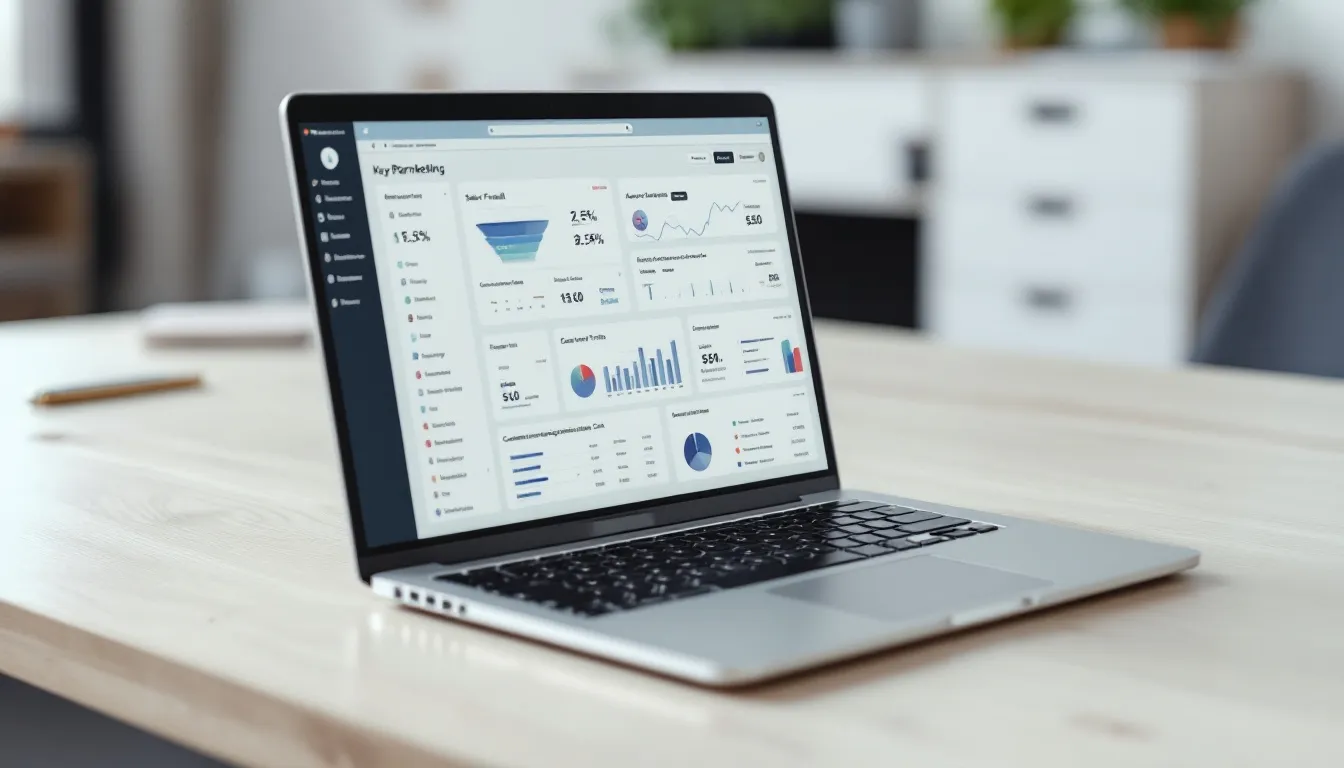
Making Content You Already Have Work Better For People Getting Ready To Buy
You don't need to start from scratch. Making smart changes to what you have can get results faster.
How to Make What You Have Better:
- Look closely at your content and put each piece in the right path step.
- Change titles/meta to be right for what people are looking for
- Change internal links to move people along
- Add CTAs that fit where the buyer is thinking
- Repurpose content into new formats (e.g., blog > webinar > infographic)
AI tools like MarketMuse or Frase can help find things you're missing and give ideas to make your content better and hit the right keywords without starting over.
Linking content from the top, middle, and bottom of the funnel makes your site structure make sense and helps people move through it smoothly. This makes people stay longer and helps you get more sales.

Checking How Well Things Are Working: SEO Numbers For Customer Path Optimization
Vanity metrics aren’t enough. To know if your SEO plan is getting sales, watch important things at each step:
Awareness
- Organic traffic
- Time spent on educational pages
- Top entry pages via informational queries
Consideration
- Clicks on comparison/funnel content
- Scroll depth and engagement metrics
- Exit rates before action points
Decision
- Form submissions
- Add-to-cart behavior
- Conversion rate (pages with transactional CTAs)
Put this together with dashboards that show where sales came from and track goals in GA4 to see how things are working for the whole funnel.
📊 Remember: 67% of the modern buyer path now happens digitally. If you don't check where SEO gets people interested and makes them buy now, you will fall behind.
People Finding You Isn't Just Nice To Have — It Helps You Get Sales
As people use digital more, your SEO plan needs to go from staying put to having a clear plan. Customer path SEO helps turn SEO from just getting visitors into something that gets sales.
Today, more than half of shoppers look things up before they buy anything. So, being helpful and easy to find whenever they need something makes you the clear pick.
When someone buys from you next, it's not a surprise. It's what happens because you planned things out using content made for what people want and a good plan.
Want sales? Start with the path people take.
Written by
Rocket Agents
Part of the Rocket Agents team, helping businesses convert more leads into meetings with AI-powered sales automation.


Ready to Convert More Leads?
See how Rocket Agents can help you respond to leads instantly and book more meetings.