

Listen to the Podcast
Available on your favorite platforms
⬇️ Prefer to listen instead? ⬇️
- LinkedIn leads can cost up to 300% more in CPL compared to Facebook leads.
- A dual-platform strategy cut CPL by 60% while doubling conversions in one B2B campaign.
- Facebook retargeting boosts engagement by presenting content in a familiar, relaxed environment.
- Automation tools are essential for scaling and aligning content across LinkedIn and Facebook.
- Cross-platform marketing lets you tap intent on LinkedIn and conversion on Facebook for optimal ROI.
If you're tired of paying a lot for leads and getting less back, you're not alone. Ad costs are going up. This puts pressure on small to medium-sized businesses to get good leads without spending too much. But there's good news. A smart way to get leads across different platforms—using LinkedIn to get noticed and Facebook to show ads again—can lower your cost per lead (CPL) a lot. It also gets you better leads. Here's how this works. And it also shows why businesses like yours are moving to this smart way.
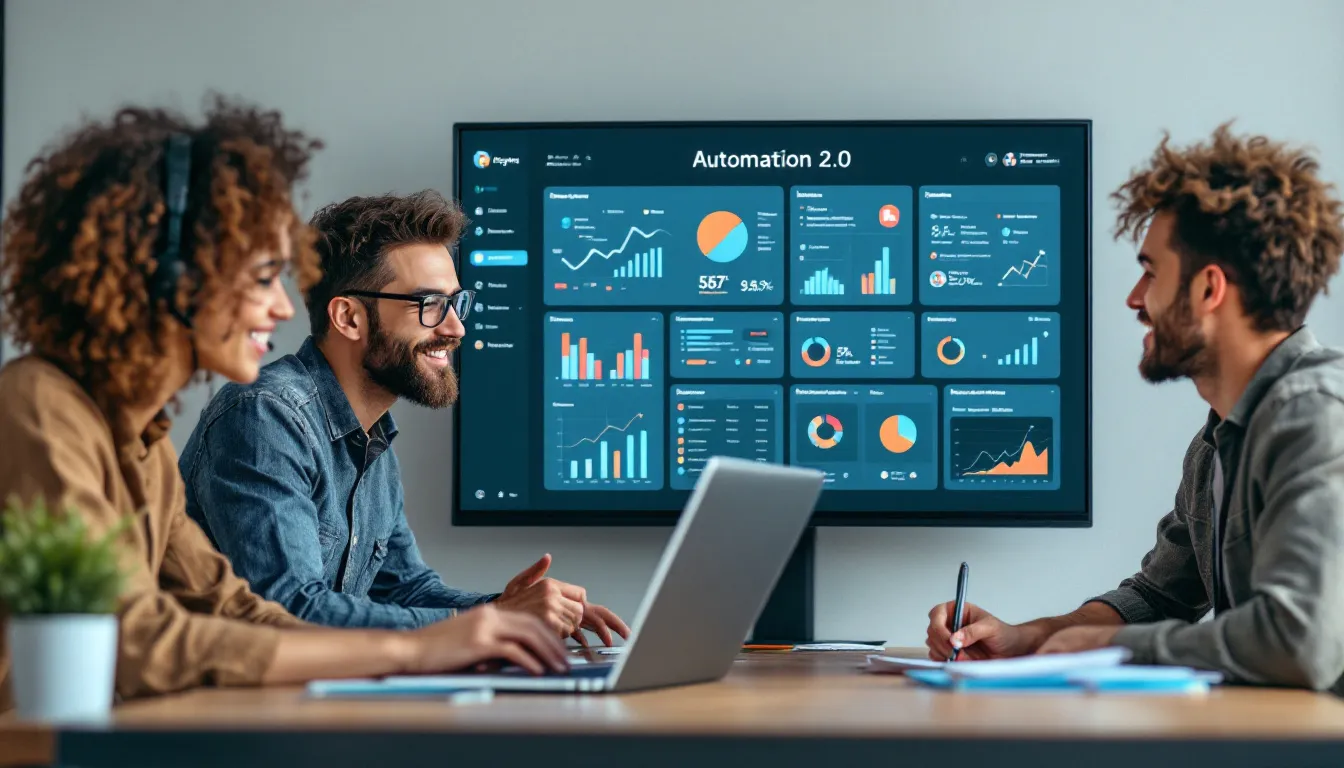
What Is a Cross-Platform Lead Generation Strategy?
A cross-platform lead generation strategy uses different online ad ways. It targets people at each step as they decide to buy. You don't just use one platform, like only LinkedIn or Facebook. Instead, you plan how you talk to people on both. You make the content match when you show it to help potential customers decide to buy.
This way of working helps marketers
- Use what each platform does best.
- Send messages based on what people do across platforms.
- Make more people aware of their brand and know it better.
- Target people based on what they want. And it helps them reach more people.
- Show ads again to remind people and help them decide to buy.
When this is done well, cross-platform marketing gives you better and better results. You reach more people. People interact more. And in the end, you get a lower CPL.
The High Cost of First-Click Leads Across Platforms
Getting someone to interact with your brand for the first time—especially for B2B—is something LinkedIn does very well. It's great for finding exactly who you want to reach. But it costs a lot.
Statista says LinkedIn’s average cost per lead is up to 300% more than Facebook's. This is because
- People on LinkedIn are professionals and really interested in buying.
- There is less space for ads, and it costs more to bid for them.
- The platform is made for showing you know your stuff and finding potential customers in specific areas. It's not for getting lots of quick sales.
On the other hand, Facebook has tons of users. People are also more relaxed there. This makes it cheaper to run ads that reach many people without costing too much. But leads from Facebook might not be ready to buy right away. They might need more interaction before they do.
So, should you take the expensive leads who really want to buy, or the cheap ones who aren't sure? You don't have to choose. Using both platforms together gives you good quality and lots of leads without spending too much.
Funnel Design: Casting the Hook on LinkedIn
Think of LinkedIn as the place people find out about you. It's where you make first impressions. This is especially true for B2B or when selling expensive services.
Here’s how to start building a good system to get leads
- Targeting: Use detailed filters like how big a company is, job titles, what people do, and how senior they are to reach people who make decisions.
- Offers people value: Give away downloadable guides, eBooks, or invites to events to get people interested at first.
- Video or carousel ads: Share useful information without being too pushy about selling.
- Automation tools: Plan posts, try different versions, and change who sees ads without doing it yourself.
Getting people interested well early on helps you get better leads into your system. From here, people go from knowing about you to thinking about buying. You do this by showing ads again on other platforms.

Facebook as the Retargeting Powerhouse
Once someone goes to your landing page, gets a free resource, or clicks a LinkedIn ad, you've got them interested. Now you want to keep them interested on Facebook. It costs less to get them to sign up or buy there.
Here’s why Facebook is great for this step
- It has good ways to show ads again. This includes using specific groups of people you build, people who are similar to them, and data from your website pixel.
- The ad types are easy for users and made to get people to interact. Think about Stories, Reels, and short video ads.
- It costs less per interaction. This is because of how Facebook sells ad space and because it reaches more people.
- Ads show up while people are just looking around. You reach them when they are relaxed and more open to deciding something.
When you try to get people to sign up or buy on Facebook after you first got their interest on LinkedIn, you make helping leads decide much better. And you lower your overall CPL.

Content Strategy for Cross-Platform Funnels
The content you use connects each platform in your lead system. But not all content works the same on every platform. Here’s how to use different types
- LinkedIn (When people first find you)
Content with lots of detail that helps people at work (like industry reports, how-to guides).
- Posts that sound formal or like an expert is talking.
- Pictures and slideshows to help teach things.
- Facebook (When people are thinking about buying or are ready)
Short, good-looking ads or posts (videos, GIFs, picture carousels).
- Talking like in a chat, with clear calls to action (like "Sign up here").
- Videos of people reviewing your product, written reviews from users, or showing how the product works.
Use a plan for your content (like a calendar) to make sure your messages match up across platforms. Tools that use AI for content help make sure your messages work well on each platform. And they also make sure the messages matter to the people you’re talking to, always.

Audience Segmentation & Retargeting Tips
Breaking down your audience well is very important for any cross-platform plan. It makes sure you only spend your marketing money on leads who are good and ready to buy.
Here’s how to break down audiences and show ads again well
- Build groups of LinkedIn users based on what they do
See who acted with your posts, videos, or forms.
- See who went to online events.
- Look at specific job roles, types of companies, or areas.
- Show Facebook ads again using data from the pixel
Use tracking tools (pixels and UTM codes) on your website.
- Make specific groups of people (like how long they stayed on your site, if they left quickly, how far they scrolled).
- Don't show ads to people who already signed up or bought.
- Make groups of people who are similar to your good leads
Reach more Facebook users who are like your best leads from LinkedIn.
- Use Facebook’s AI to find people very likely to sign up or buy.
Showing ads again works best when the timing is right and the ad matters to the person. You want to show the right message to the right people at the right time.
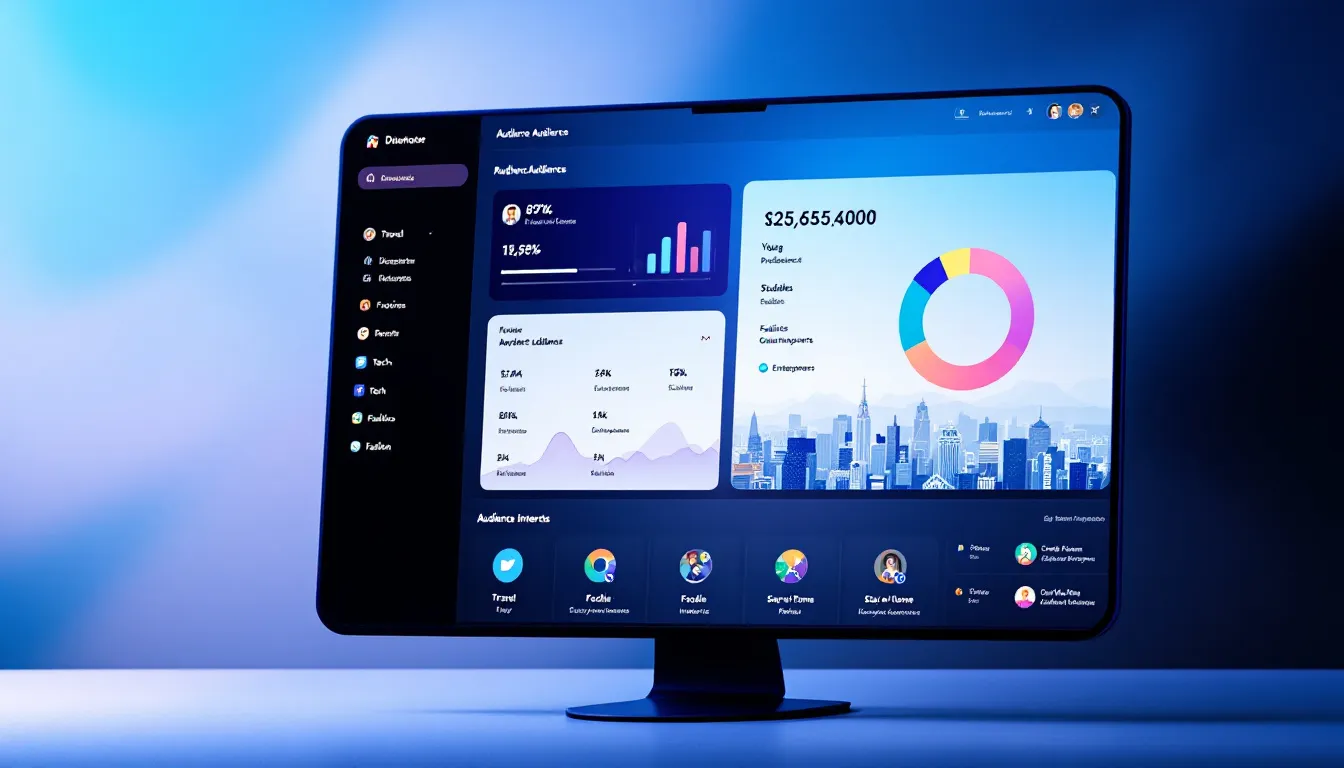
Automation Tools That Support Content Delivery
Running campaigns on two platforms without tools that do things automatically is like driving far without GPS. Automation makes sure everything—your posts, who you show them to, the content, and checking the results—works well together.
Here are important things to find in automation tools
- Making Content: AI that writes posts for LinkedIn, headlines for Facebook ads, and whole blog articles.
- Different Media: Tools that automatically make things like memes, videos, and animations. They make sure these fit what each platform needs.
- Planning and Posting: Set up when your content goes out weeks ahead of time on both platforms. Then you don't have to worry about it.
- Making Things Work Better: Systems that change your ad text, how much you pay for ads, or how much you spend. They do this based on how people are reacting right when it happens.
Tools like HubSpot, Buffer, Hootsuite, Bannerbear, and Jasper.ai connect with other tools. They also have ways to grow as you need them to. This is true for small and medium businesses and for marketing agencies.
Real-Life Campaign Structure Example
Need a plan? Here’s how a 4-week system with different steps can work to lower your CPL
- Weeks 1–2 (LinkedIn - Get Noticed)
People you want to reach: IT managers in SaaS companies (100 or more employees).
- What they see: A free guide called "2024 Tech Productivity Guide" to download.
- What you want to happen: Get people to know about you and get contact info from people who are new to you using forms.
- Weeks 3–4 (Facebook - Show Ads Again)
People you want to reach: Those who clicked on LinkedIn; those who visited your site based on the Facebook pixel.
- What they see: A video where another SaaS company says good things about using your product.
- What you offer: A link to book a free demo or meeting.
- Ongoing - Keep Them Interested (Emails)
Automated steps for specific groups: Send studies showing how other companies used your product well, invite them to online talks for invited guests only, or offer discounts.
This plan finds people very ready to buy. And it matches that with getting sign-ups or sales for a low CPL. It’s a plan any business can use and make bigger.
Tracking & Optimizing: Metrics That Matter
How well cross-platform campaigns work depends on the data you get. Check these important numbers (KPIs) using reports that show how things are doing
- CPL (Cost Per Lead): How much does it cost you when someone signs up with their email or fills out a form?
- CTR (Click-Through Rate): Are your ads interesting enough that people click on them?
- Conversion Rate: What part of your leads turn into paying customers?
- ROAS (Return on Ad Spend): Are you making more money from sales than you spent on ads?
Use tools like Google Analytics, Facebook Pixel Reports, and LinkedIn Campaign Manager to keep track of these numbers. Add UTM codes to your links and use CRM software to see results for your whole lead process.
Case Study Snapshot: 60% CPL Reduction Using LinkedIn + Facebook
A report shared by Marketing Charts showed how a B2B software company combined finding very specific people on LinkedIn with showing ads again on Facebook. They got these results
- Their CPL went down by 60%.
- Twice as many leads turned into paying customers.
Here's why it worked
- They knew exactly who they wanted to reach. LinkedIn helped them find very good people right from the start.
- Their content was shown smoothly. Facebook ads shown to people thinking about buying felt real.
- Tools that did things automatically let them quickly test different types of ads, titles, pictures, and offers.
This shows something clear: using different platforms for marketing isn't just an idea—it makes results happen.

Why SMEs Need Automation to Power Successful Cross-Platform Funnels
Many small and medium businesses don't want to use campaigns across many platforms. They think it will be too much work. This is where automation helps when you don't have enough people or time.
Automation lets small teams
- Run campaigns on many platforms without tiring out staff.
- React to results happening right away without someone doing it by hand.
- Easily make successful campaigns bigger for new groups of people or areas.
Tools that make everything from the text to the ads mean getting leads can be made bigger. It uses data, and doesn't cost too much. It's not a mess.

Guidelines for Launching Your Own Cross-Platform Funnel
Starting is easier than you might think. Use these steps
- Say exactly who you want to reach. Use LinkedIn filters like what job they do and if they make buying decisions.
- Make something to give people when they first find you. This could be a guide, a challenge, or a tool to figure out return on investment.
- Put in the tools that watch what happens. This means the LinkedIn Insight Tag, Facebook Pixel, and special links (UTM links).
- Plan your content with posts for both platforms.
- Pick automation tools that work for what you need with content.
- Set aside money to test. Use $500–$1,000 each month to get data over time without spending too much.
- Change things each week. Base your changes on how things are working, not just guessing.
When you use this plan, you can test things, make them better, and make your plan for getting leads bigger with confidence. This happens through marketing that works well across platforms.
Final Takeaways
Using different platforms for marketing gives you the best from both: You get people from LinkedIn who are very likely to buy. And you get Facebook’s ability to get lots of sign-ups/sales for a low CPL and make it bigger easily. Automation helps you do this. Even small teams can set up lead systems that work together. These systems spend less to get customers, get more sign-ups/sales, and make things run smoother.
The point isn't to pick just one platform. It's to use what each platform does well in the right order. And it's about using content to connect everything you do with people.
Try a content automation platform to make your cross-platform lead system work. Maybe you’re trying ads for the first time. Or maybe you want to lower your CPL by 60%. Either way, a system that does things automatically can make it easier for you to succeed. Try a trial or get our free guide on building a lead system today.
Written by
Rocket Agents
Part of the Rocket Agents team, helping businesses convert more leads into meetings with AI-powered sales automation.


Ready to Convert More Leads?
See how Rocket Agents can help you respond to leads instantly and book more meetings.